Curatorial Context
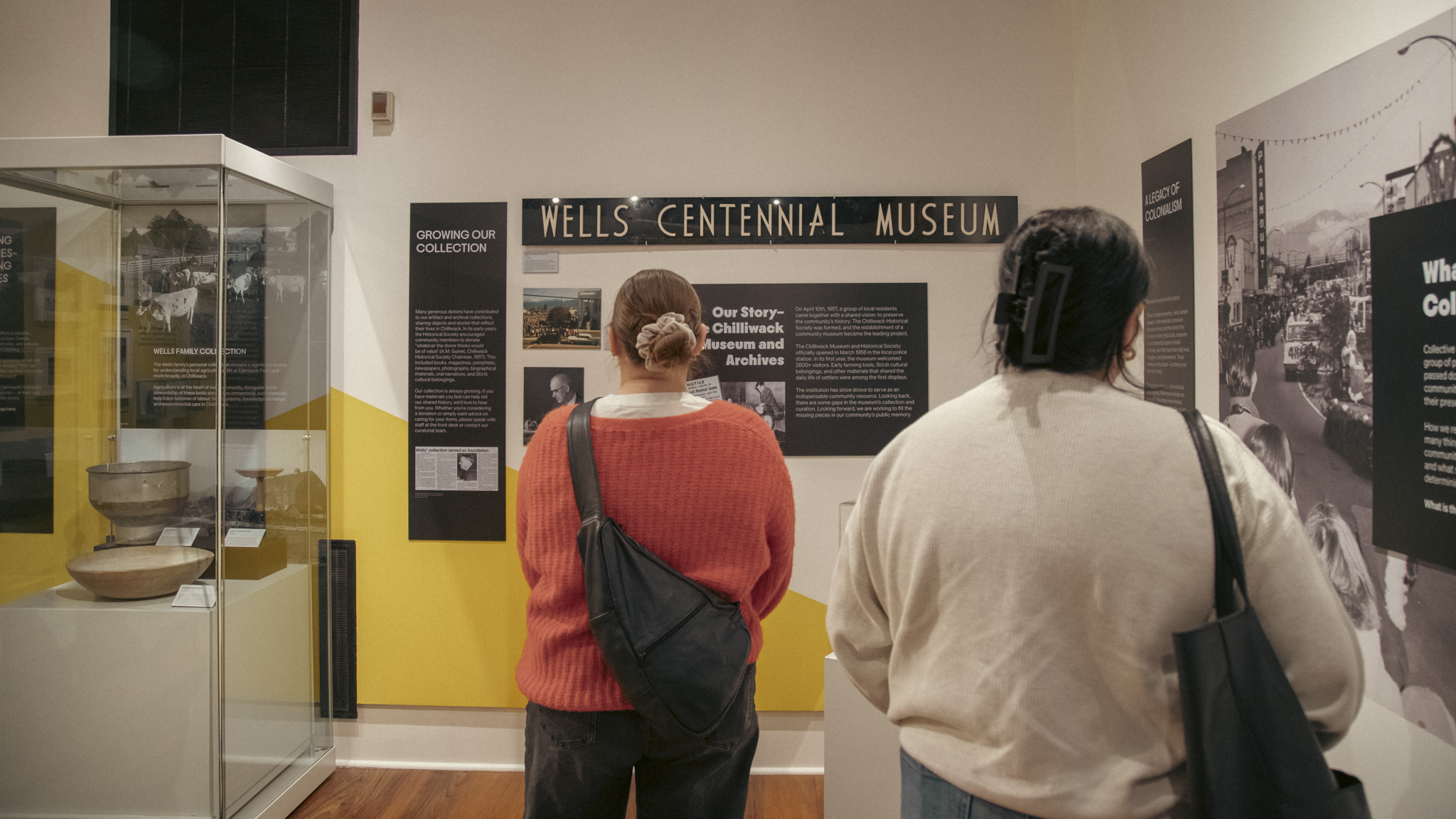
Museums and archives have long played a role in deciding what is collected, preserved and ultimately remembered. The objects placed in collections, the photographs catalogued in archives, and the stories presented in exhibitions become part of the historical record we pass from one generation to the next. Yet collections are never complete. They reflect choices about what was considered important, who was asked to contribute, and whose experiences were documented.
Collecting Memory begins with the idea that building a more representative history requires us to think differently about who participates in creating it.
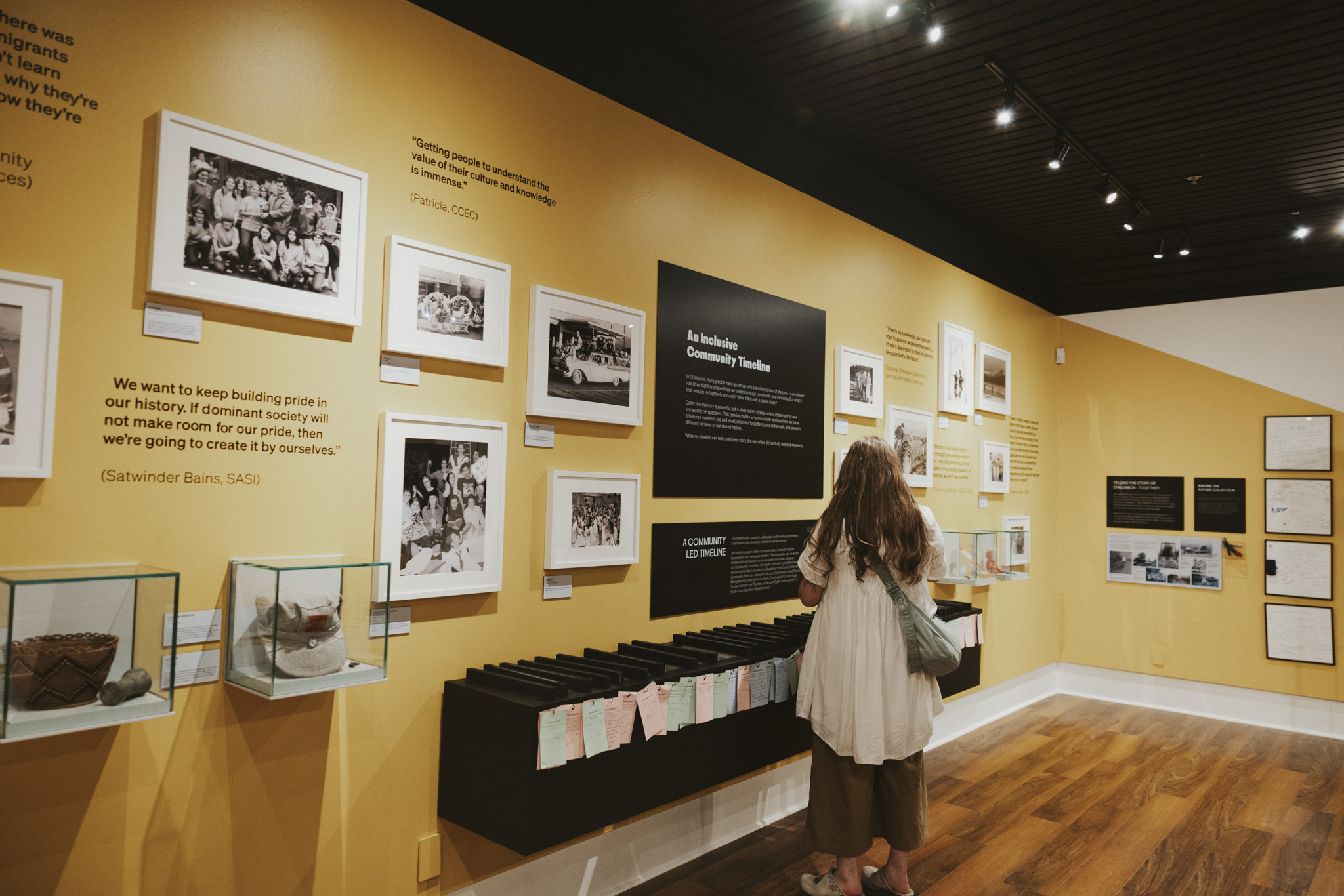
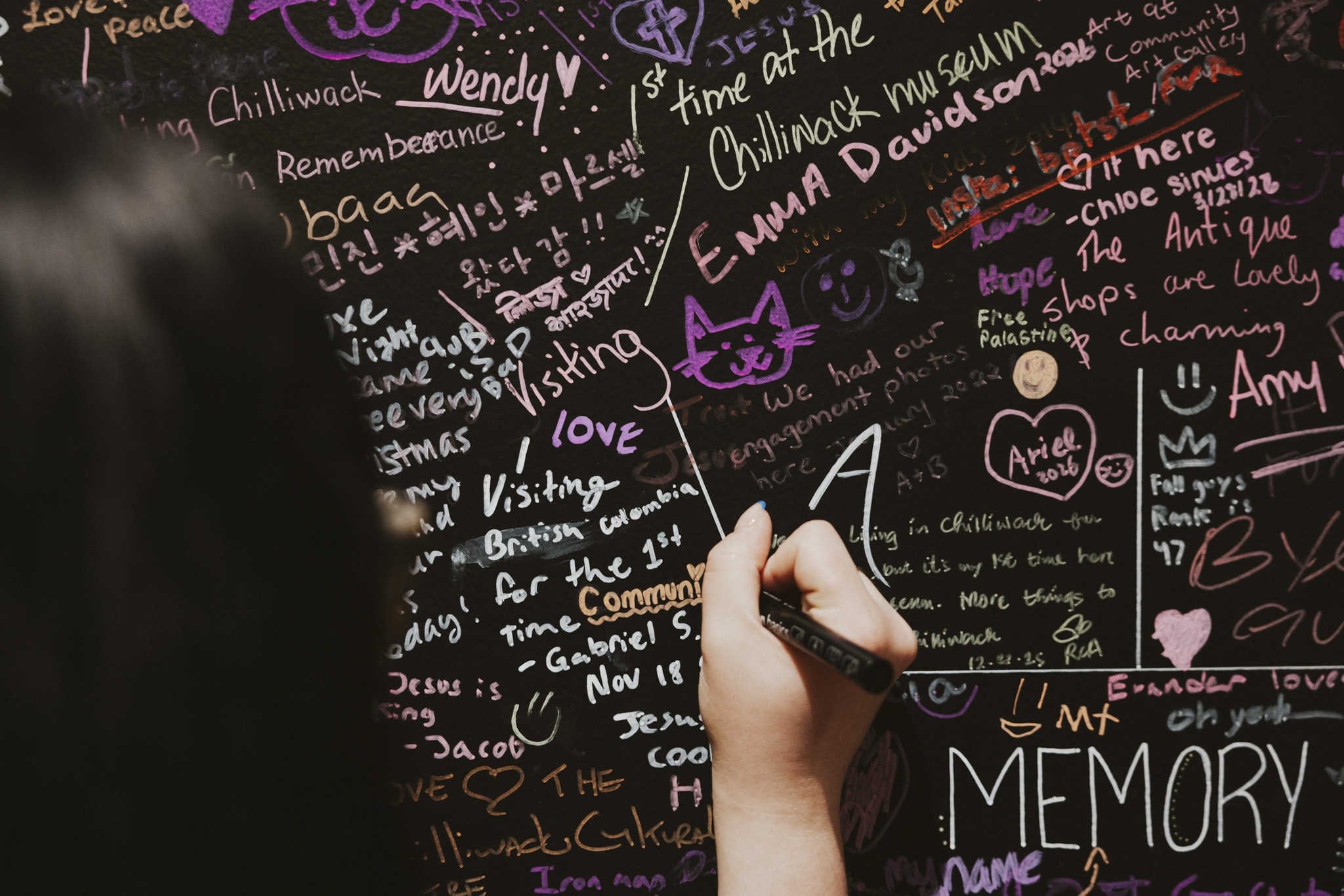
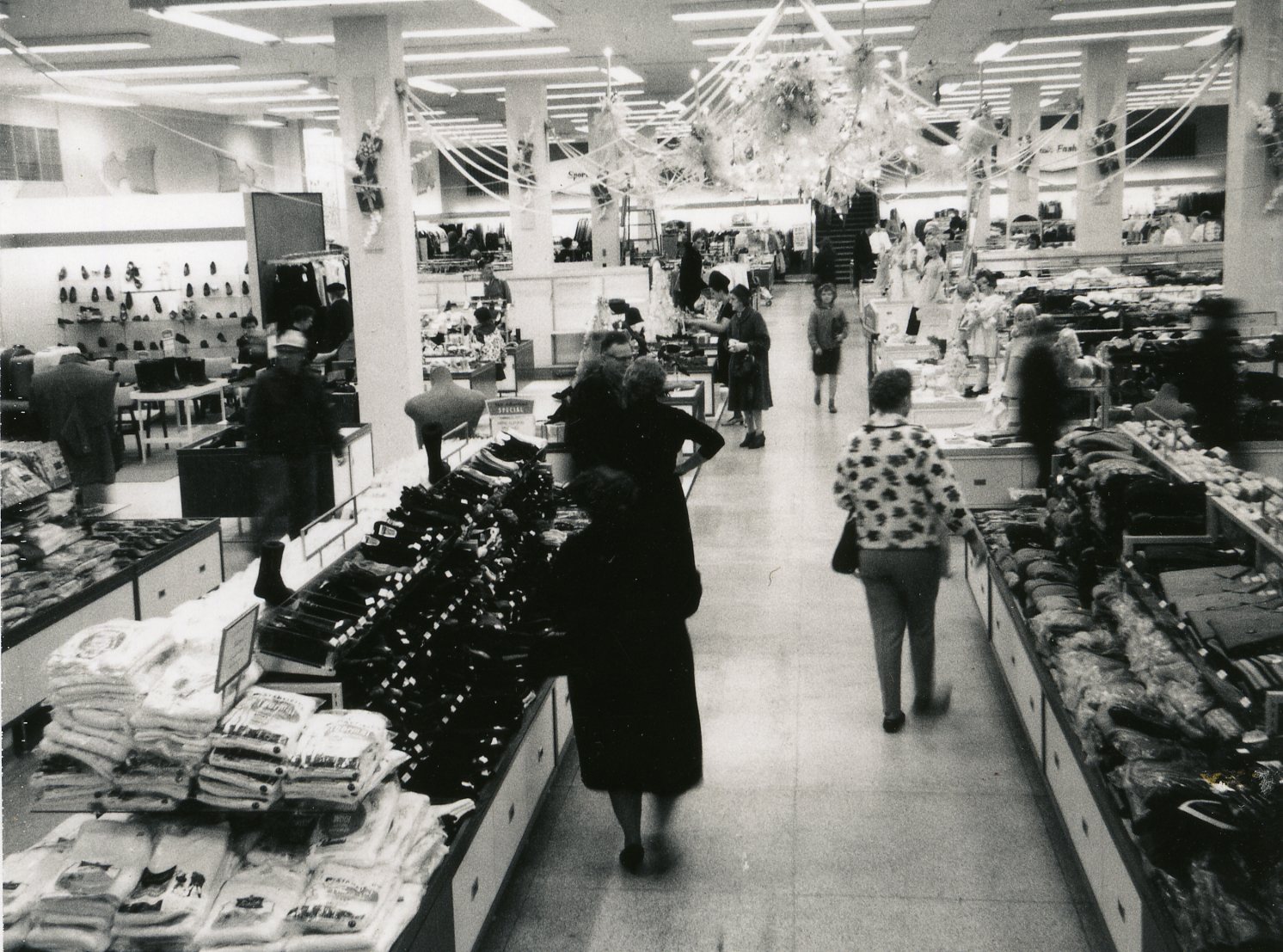
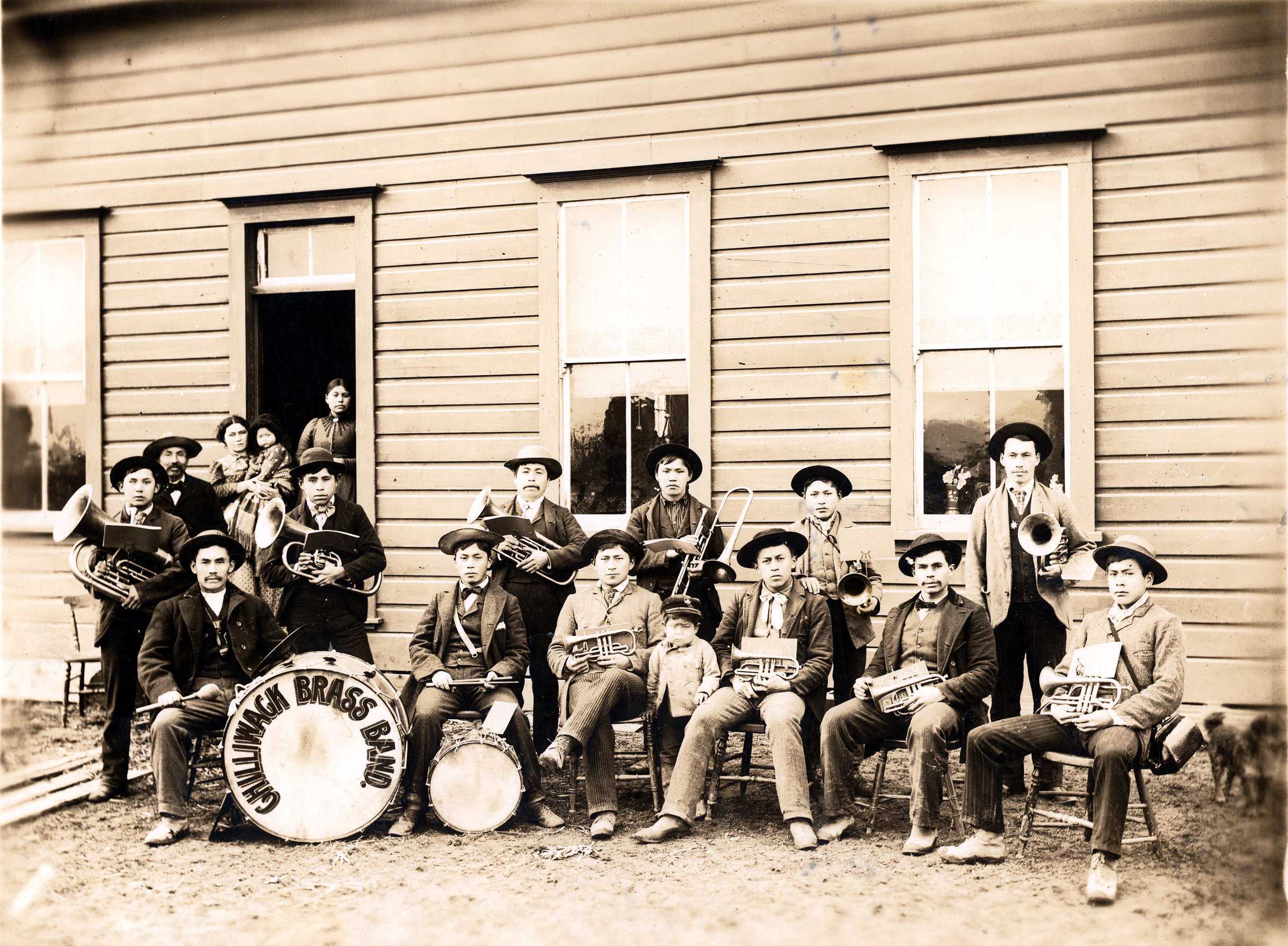
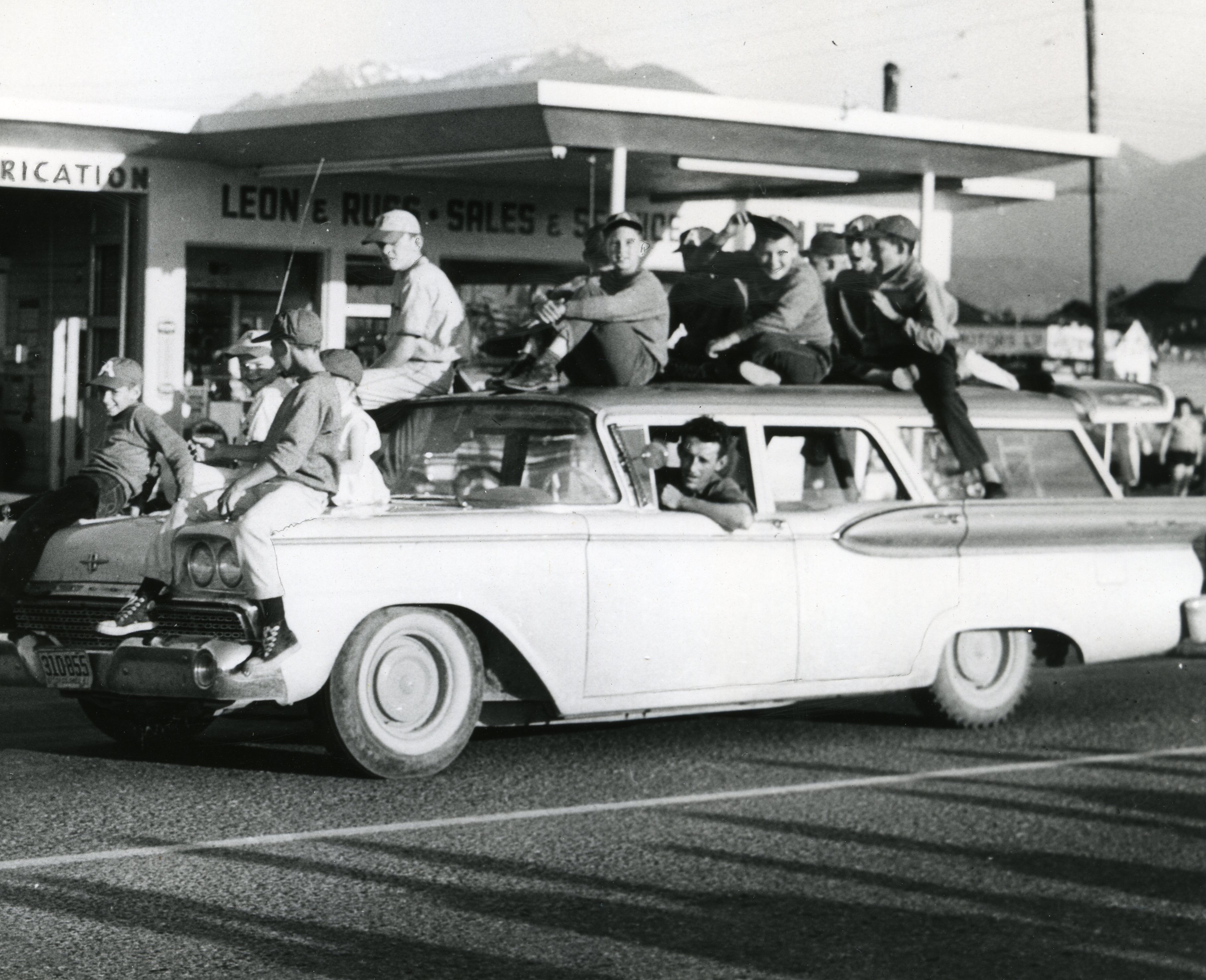
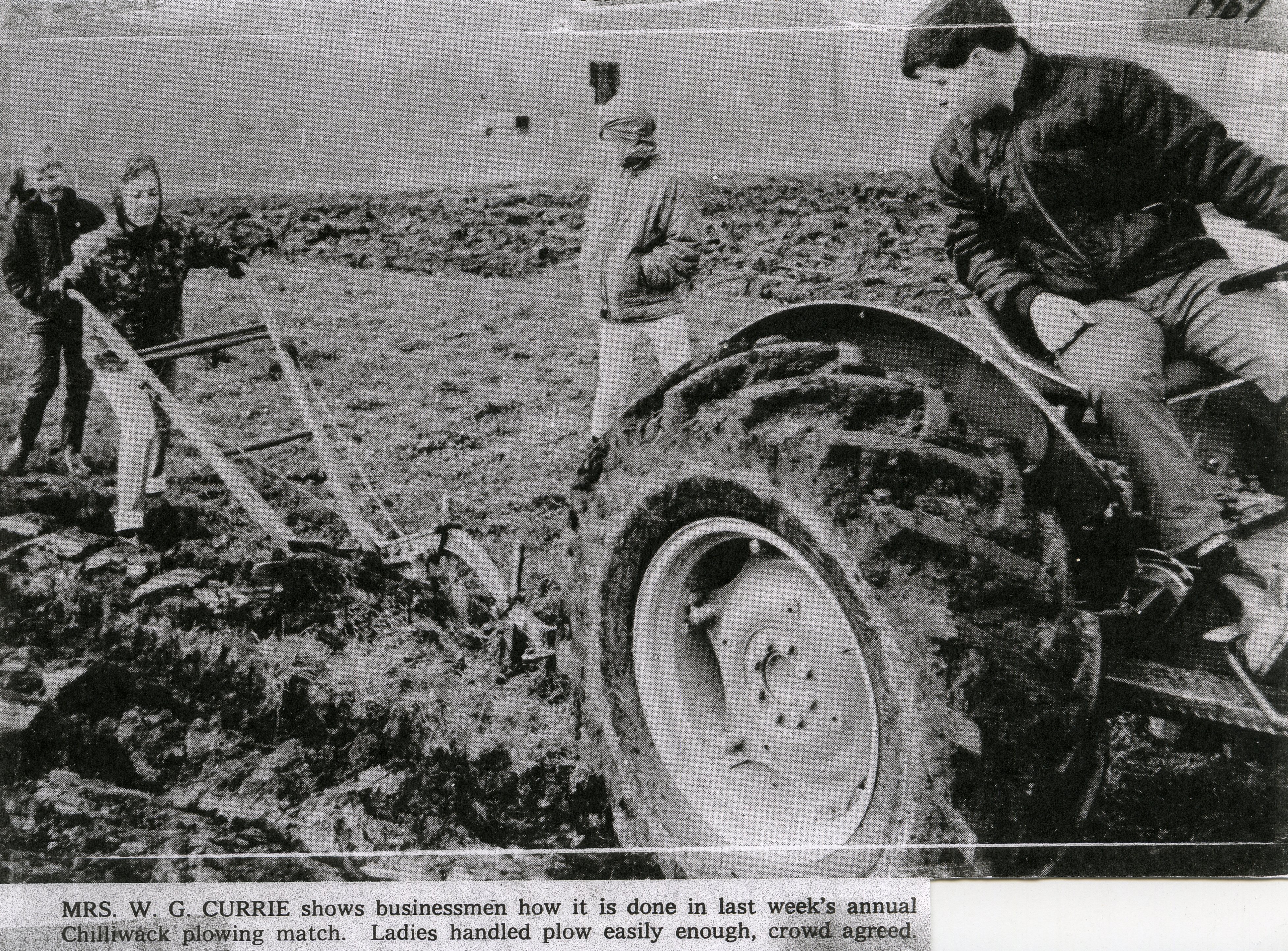
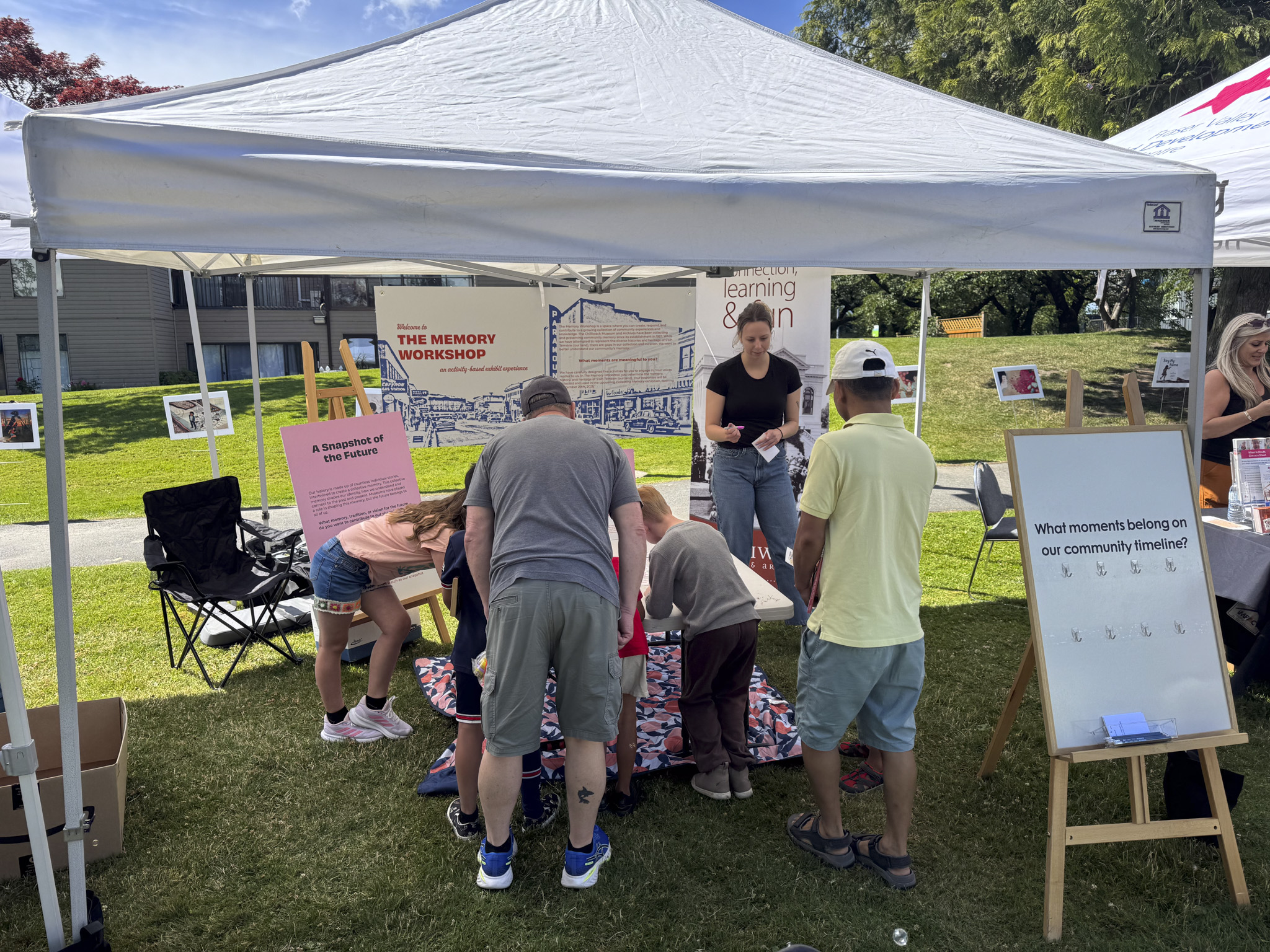
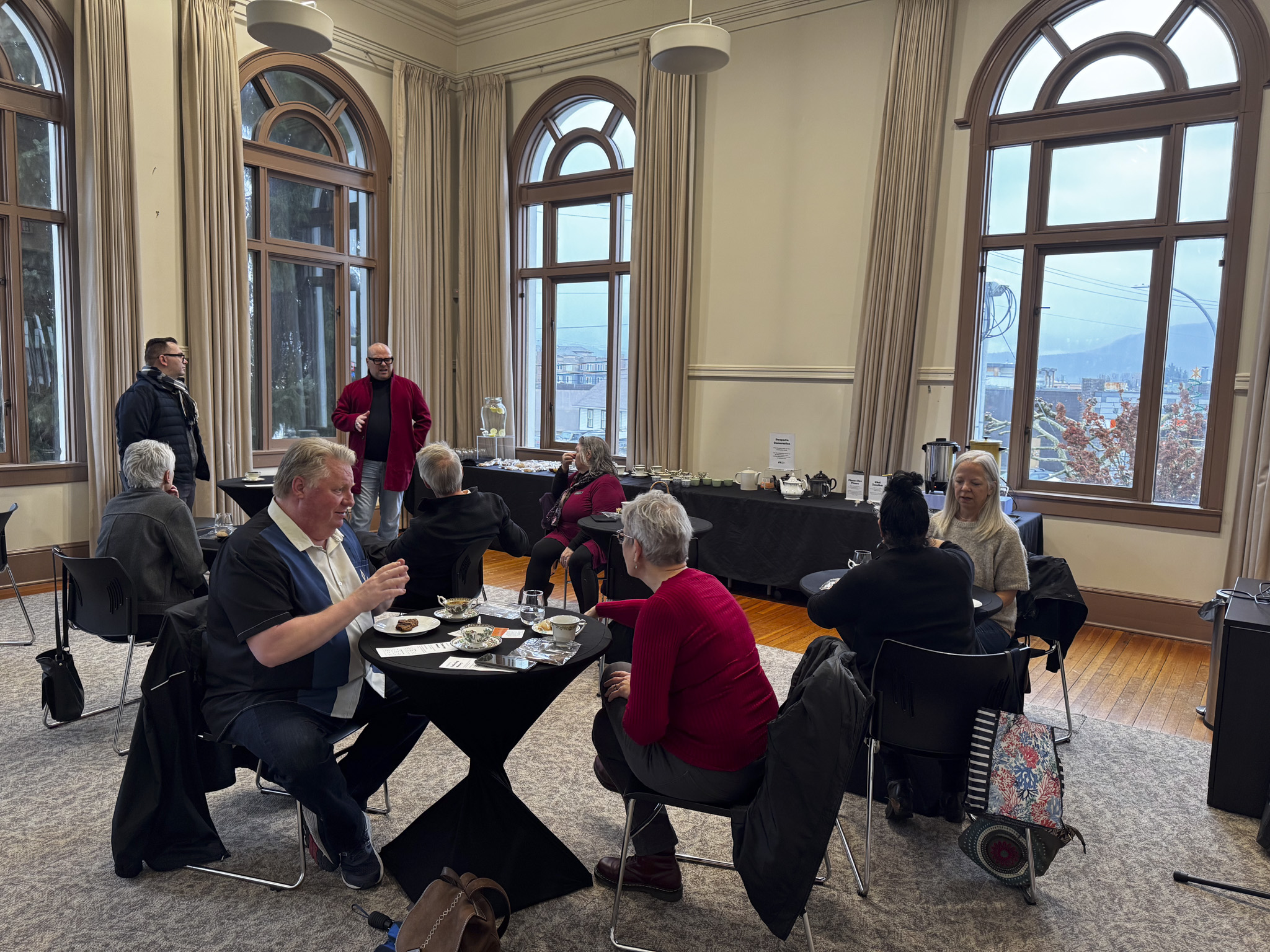
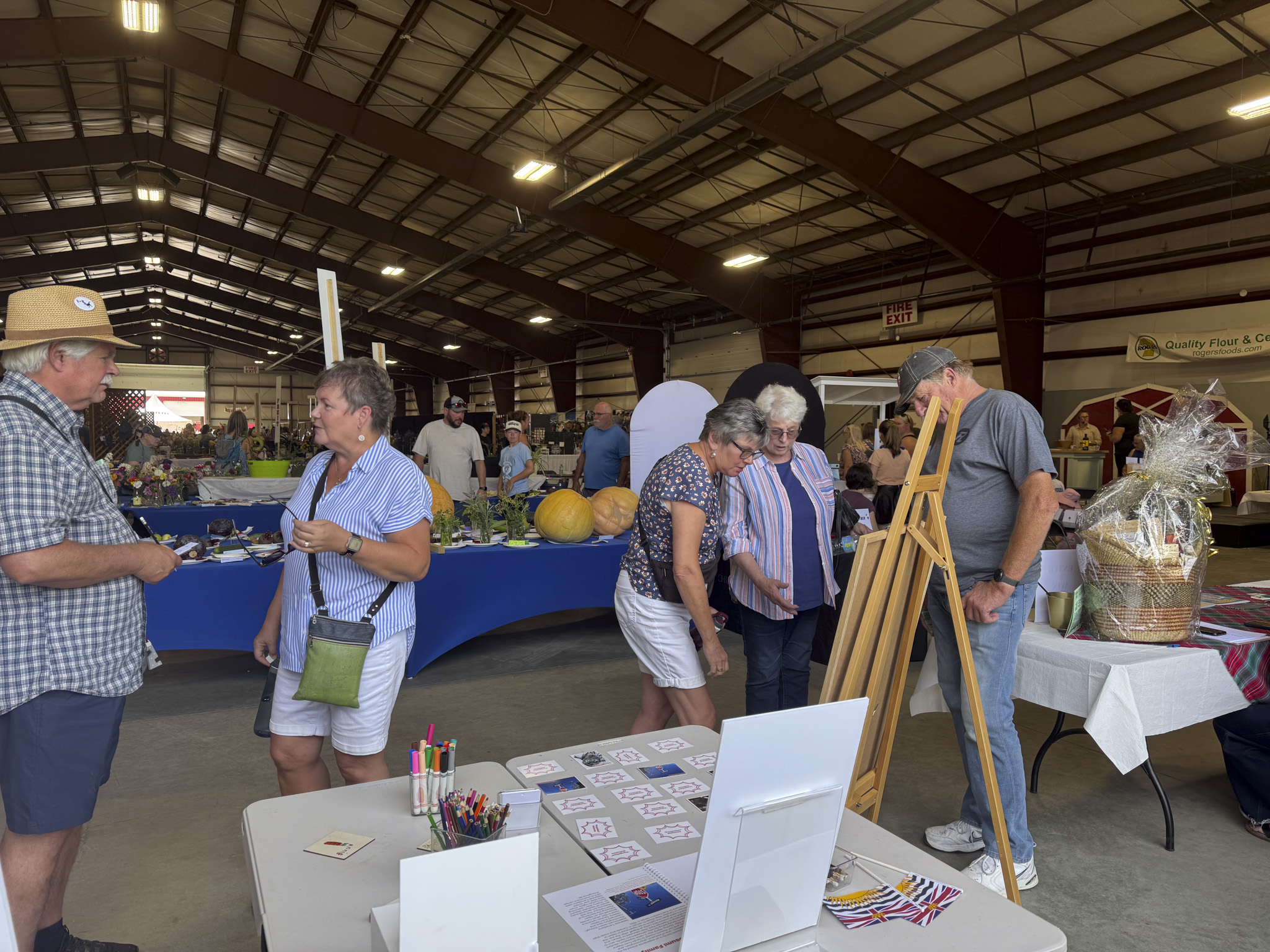
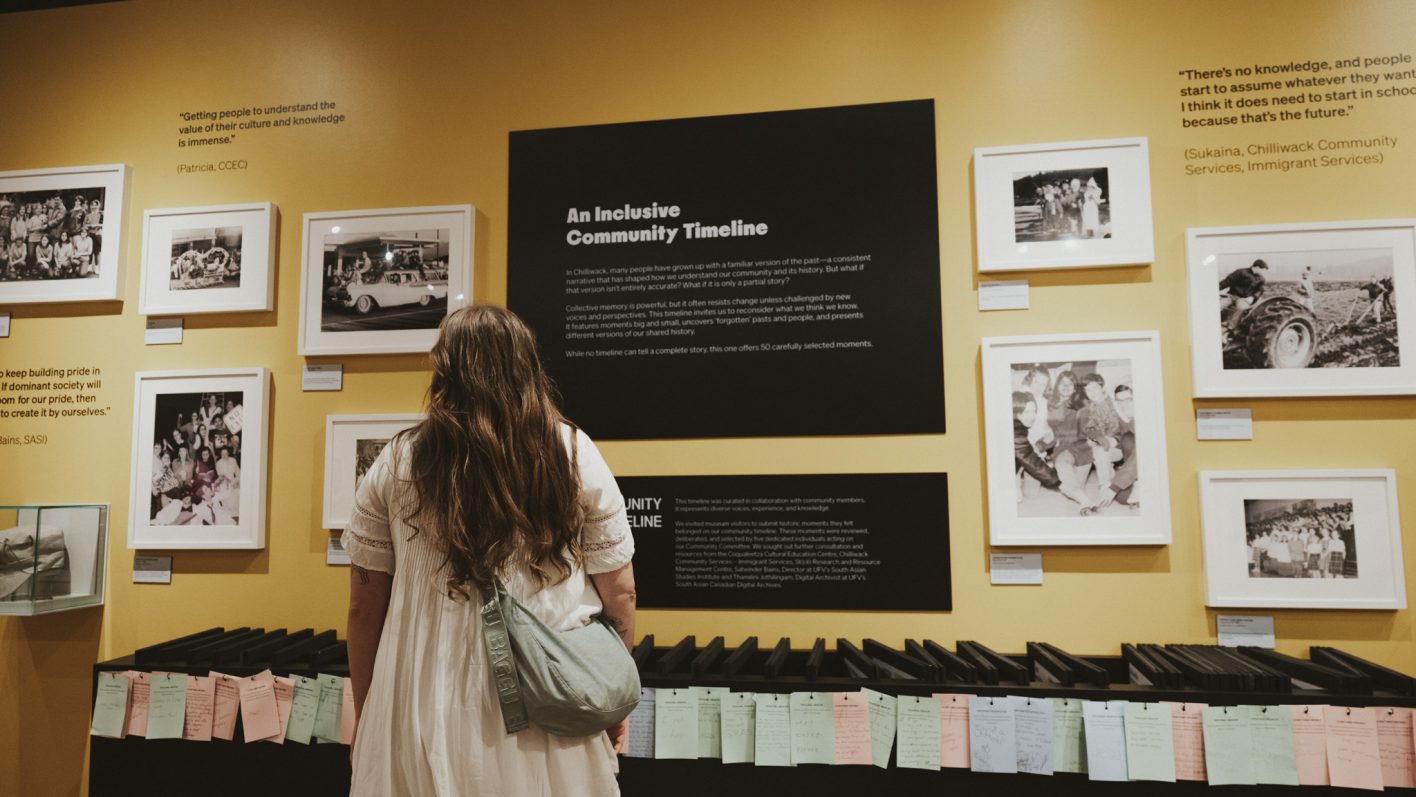
Rather than beginning with an established historical narrative and selecting objects to illustrate it, this exhibition grew from The Memory Workshop, a participatory project that invited community members to contribute the moments, places, objects and experiences they believe are part of Chilliwack’s story. Through prompts, conversations, and storytelling, the project asked people to consider not only what they remember, but what they believe should be remembered collectively.
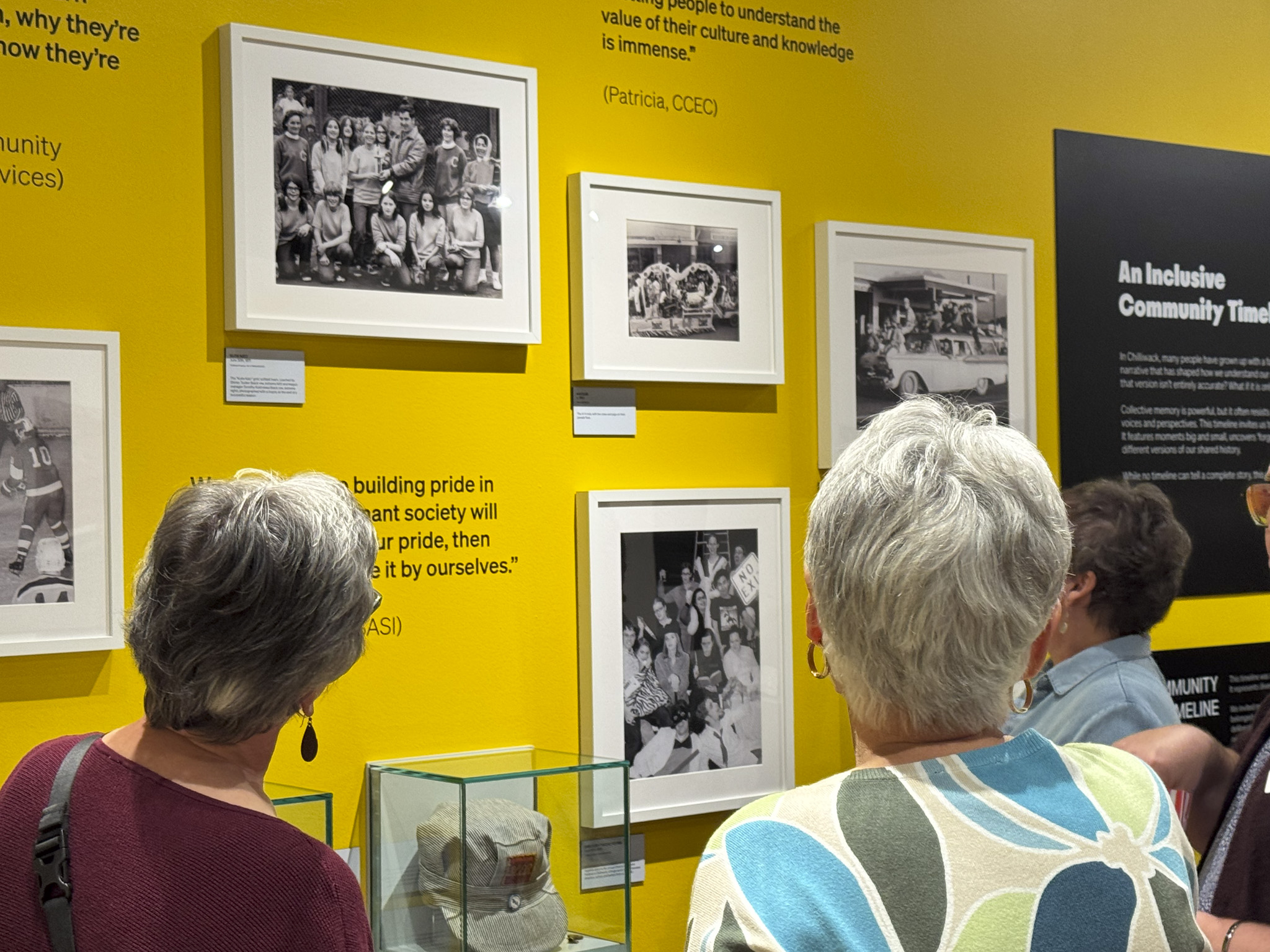
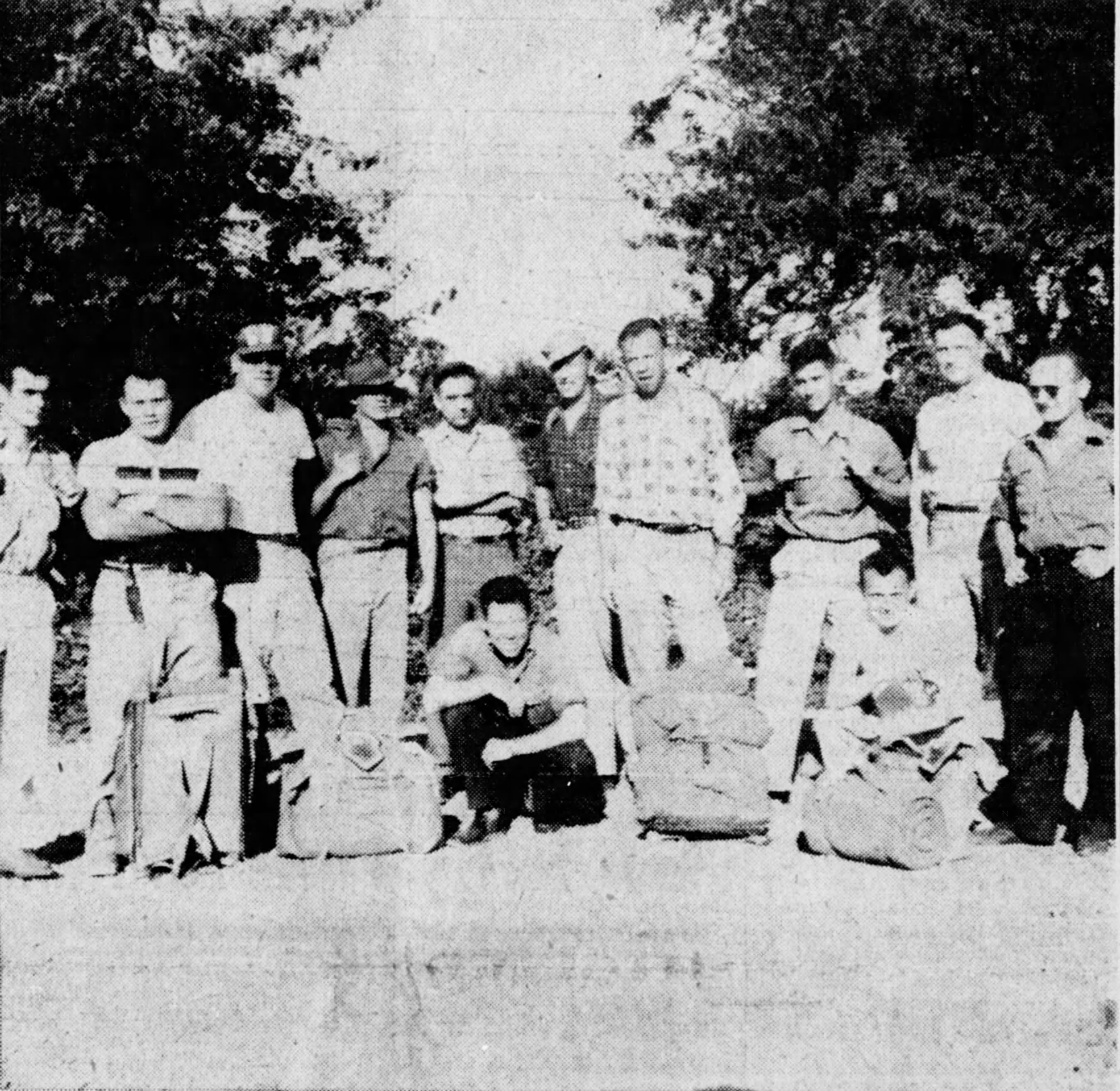
The resulting exhibition brings together personal memories and public history. Photographs, stories and objects reveal how something seemingly ordinary can hold extraordinary meaning. A piece of clothing, a household object, a photograph or a handwritten letter may appear modest within a museum case, yet carry memories of family, migration, work, celebration, loss or belonging. Everyday belongings can become points of connection between an individual experience and a much larger community story.
This approach also asks us to consider the Museum’s own role. Historically, collecting was largely directed by institutions and collectors who determined what was worthy of preservation. Contemporary museum practice increasingly makes space for shared authority: inviting communities to participate in collecting, interpretation and decision-making. In this model, the Museum is not simply a keeper of objects, but a facilitator of memory; creating space for many experiences and perspectives to exist alongside one another.
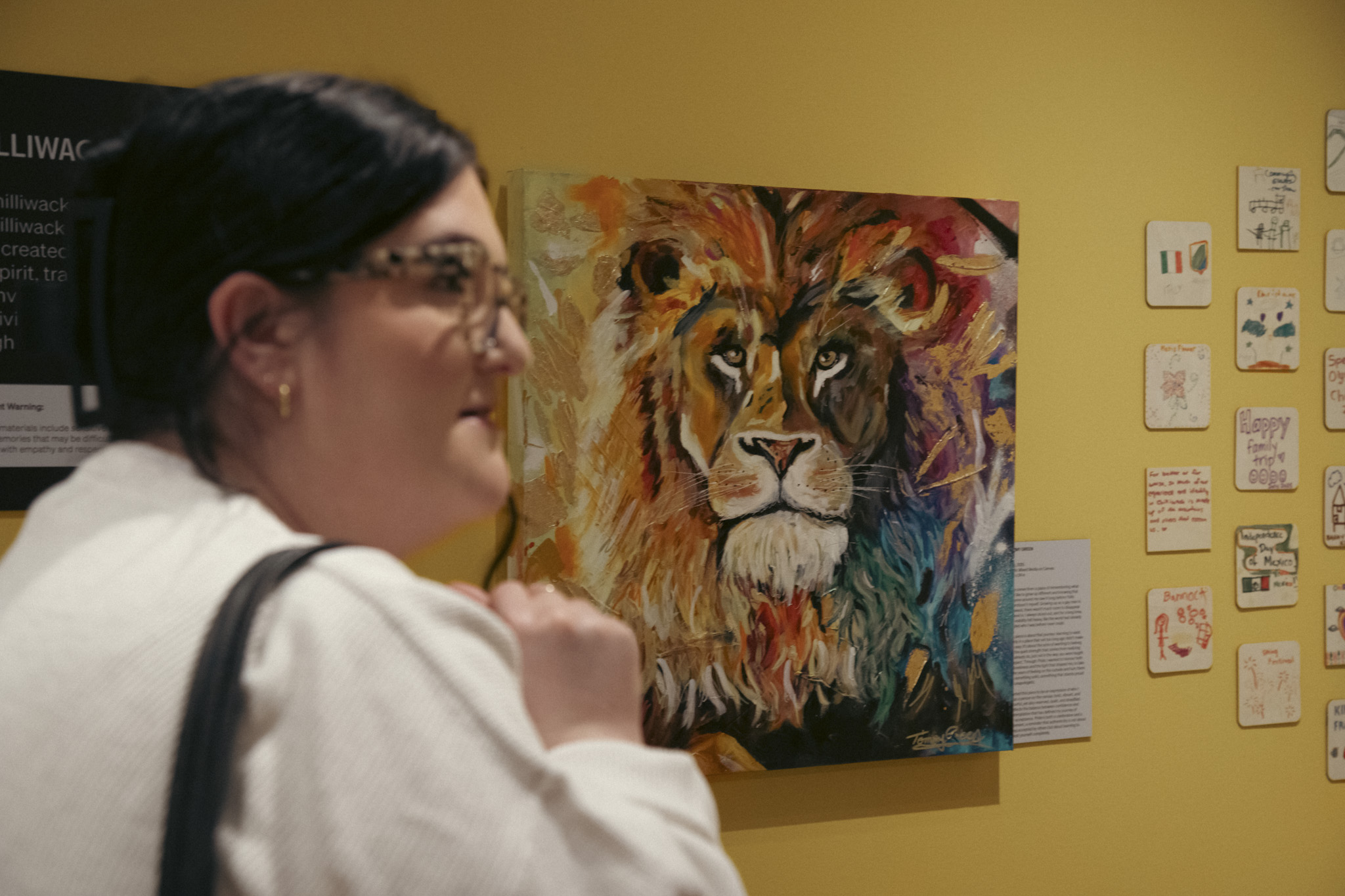
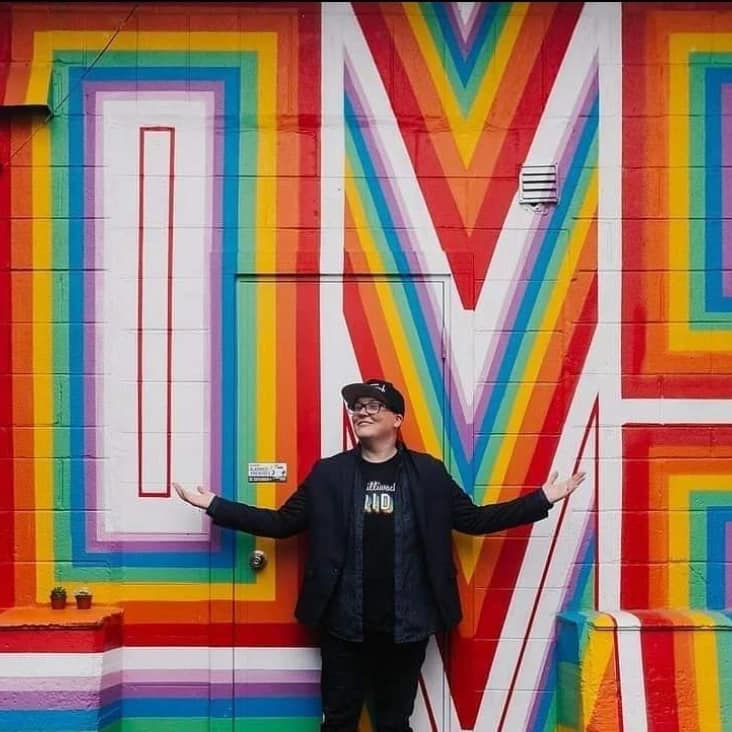
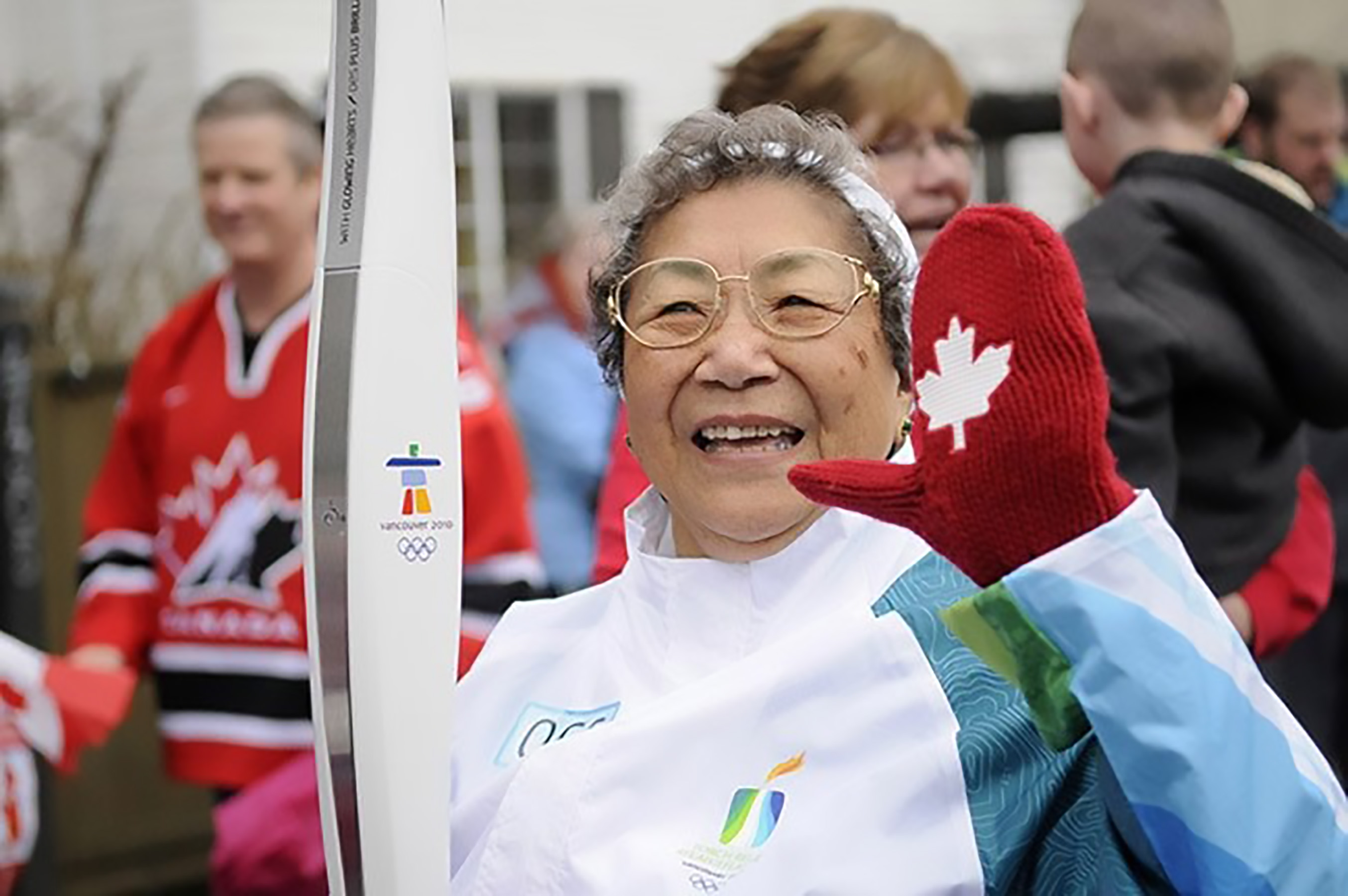
There is no single community memory. The history of Chilliwack is made from overlapping experiences across generations, cultures, and communities. Some are deeply rooted in the historical record; others have been less visible or absent altogether. Collecting Memory intentionally creates space for multiple perspectives, including Indigenous, newcomer, youth and other voices that have not always been represented within traditional museum narratives.
That work is not finished when an exhibition opens.
Designed as a semi-permanent and flexible installation, Collecting Memory will continue to develop through 2028. New contributions can enter the conversation, stories can be reconsidered, and the gallery can respond as our understanding of community history grows. This makes the exhibition less a finished account of Chilliwack and more an ongoing process of listening, gathering and reflecting.
It also challenges the idea that history belongs only to the past. What happens in our neighbourhoods, families and communities today will eventually become the material through which future generations understand this place. The photographs we take, the things we keep, the stories we tell; and those we don’t, are all part of that process.
Collecting Memory therefore asks visitors to see themselves not simply as audiences for history, but as participants in its creation. The archives of tomorrow are shaped by the voices we choose to include today.
What do you remember? What deserves to be carried forward? And what story might only enter our collective memory because you chose to share it?