Chilliwack Museum

Artist Statement

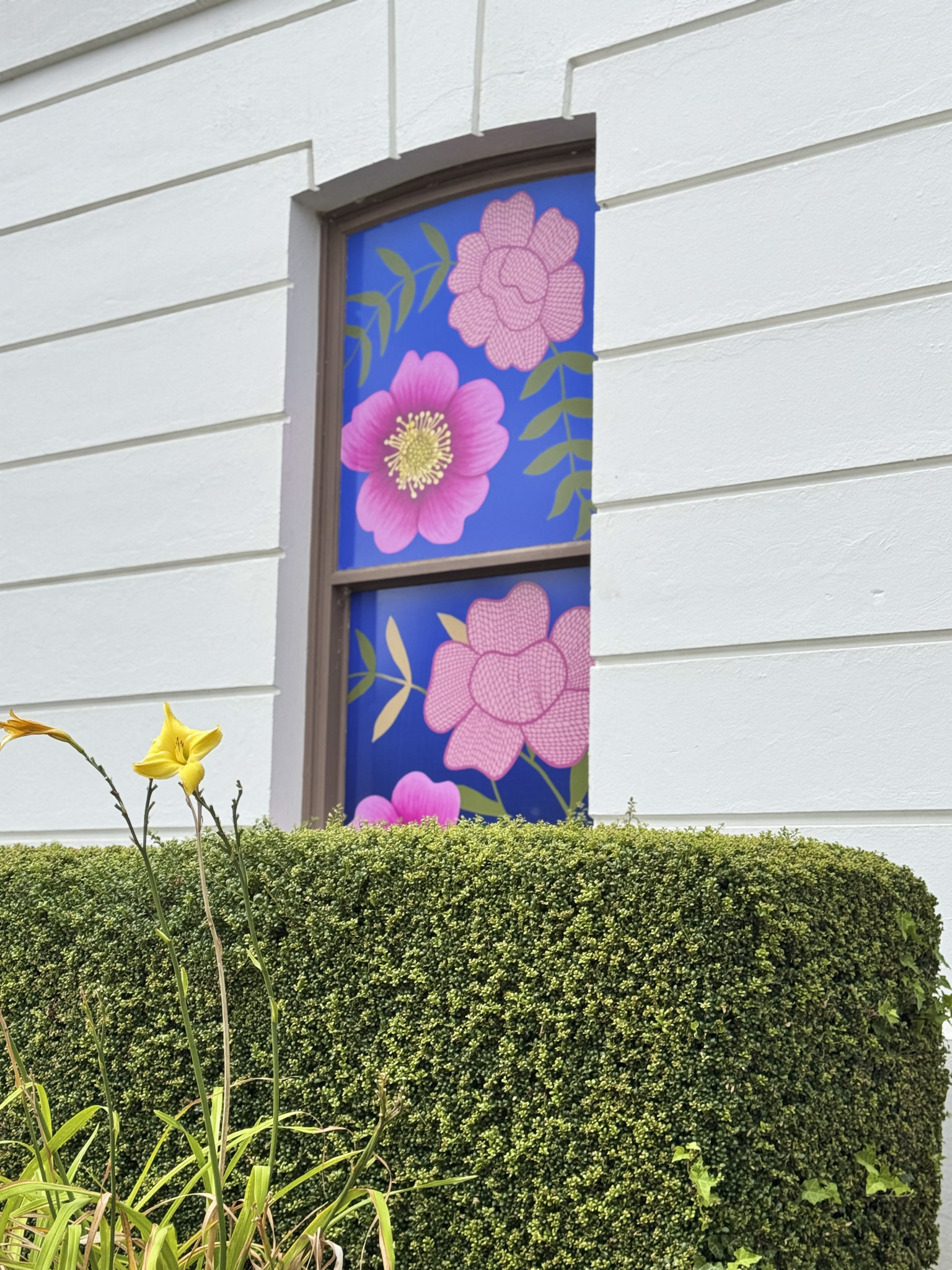
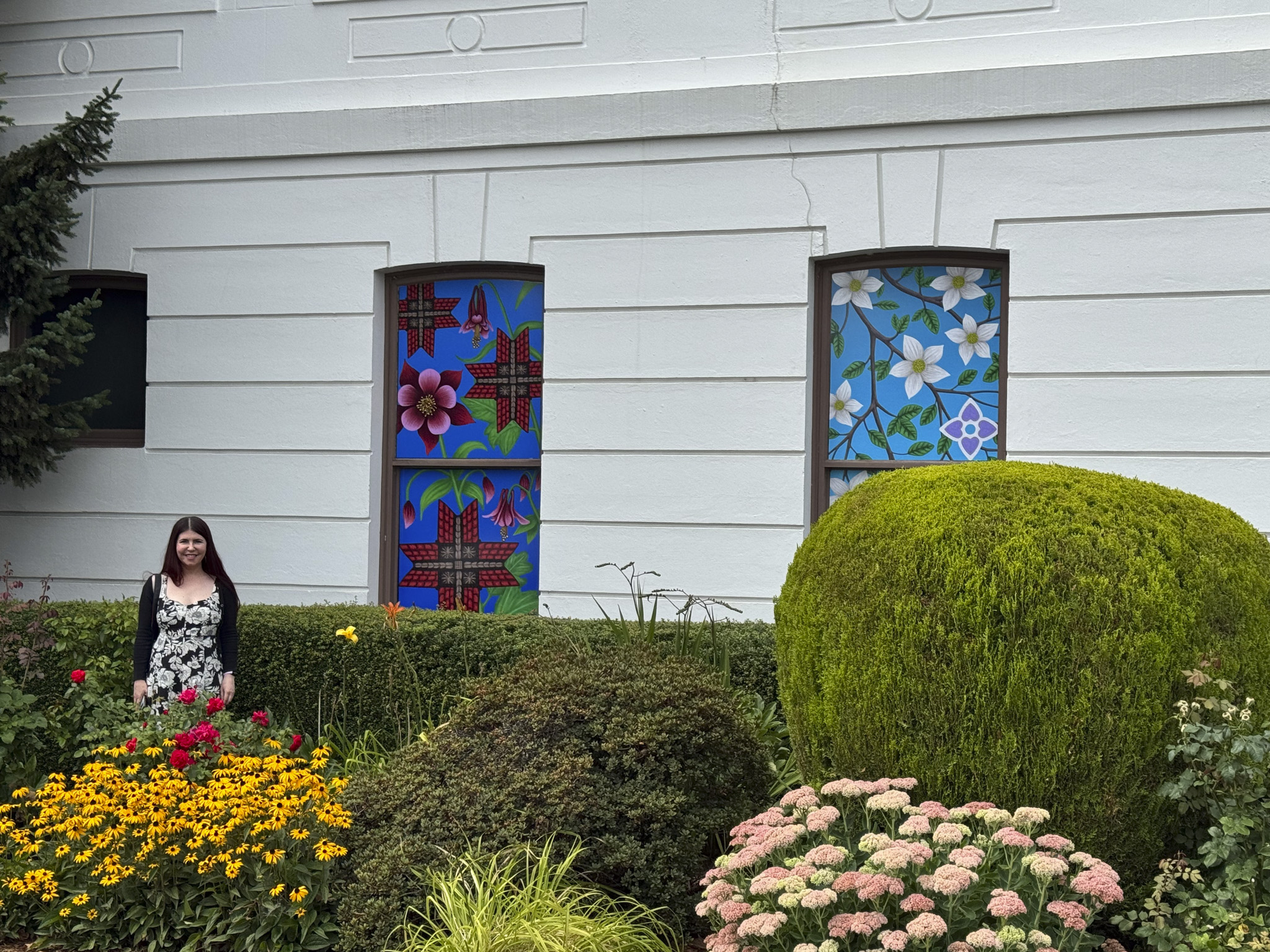
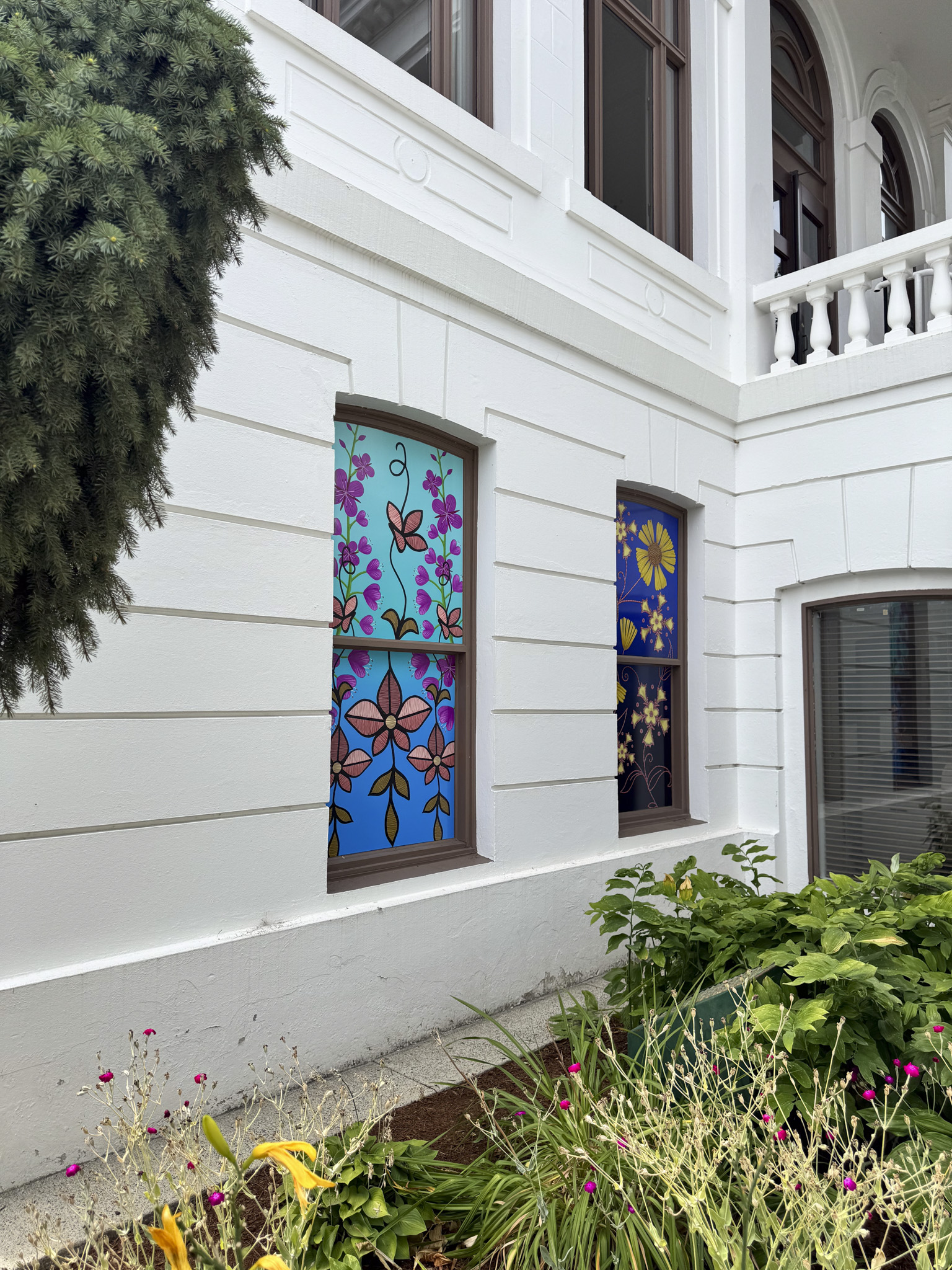
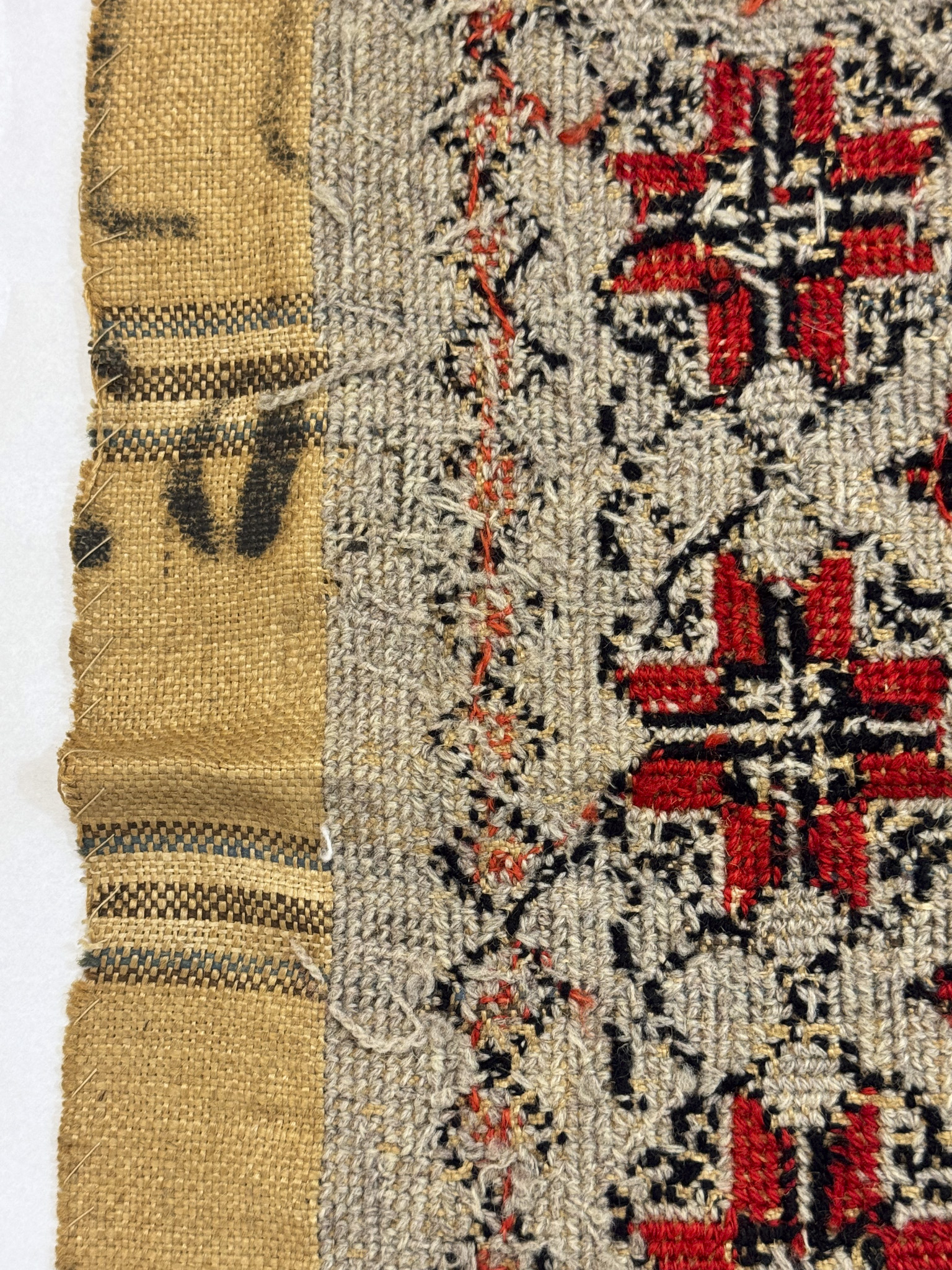
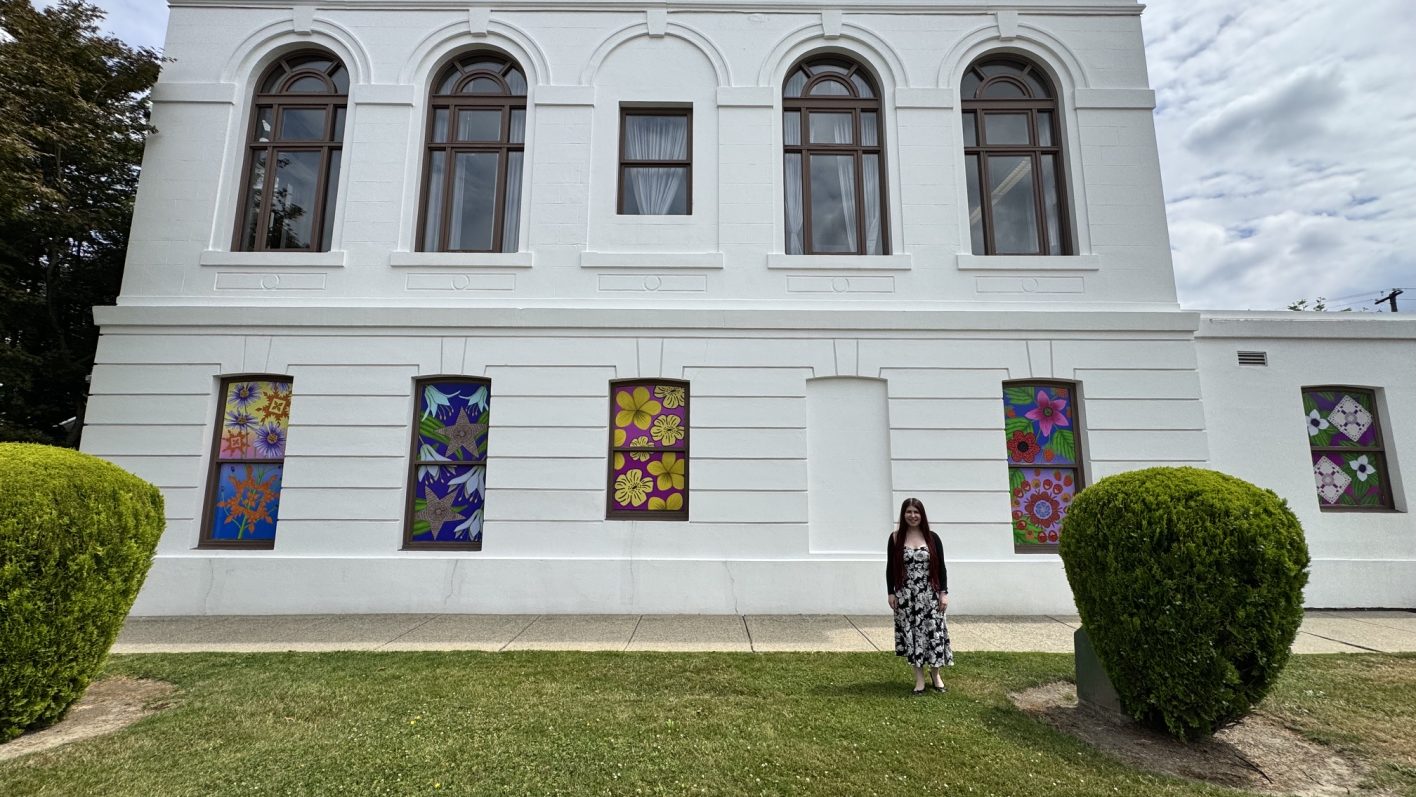
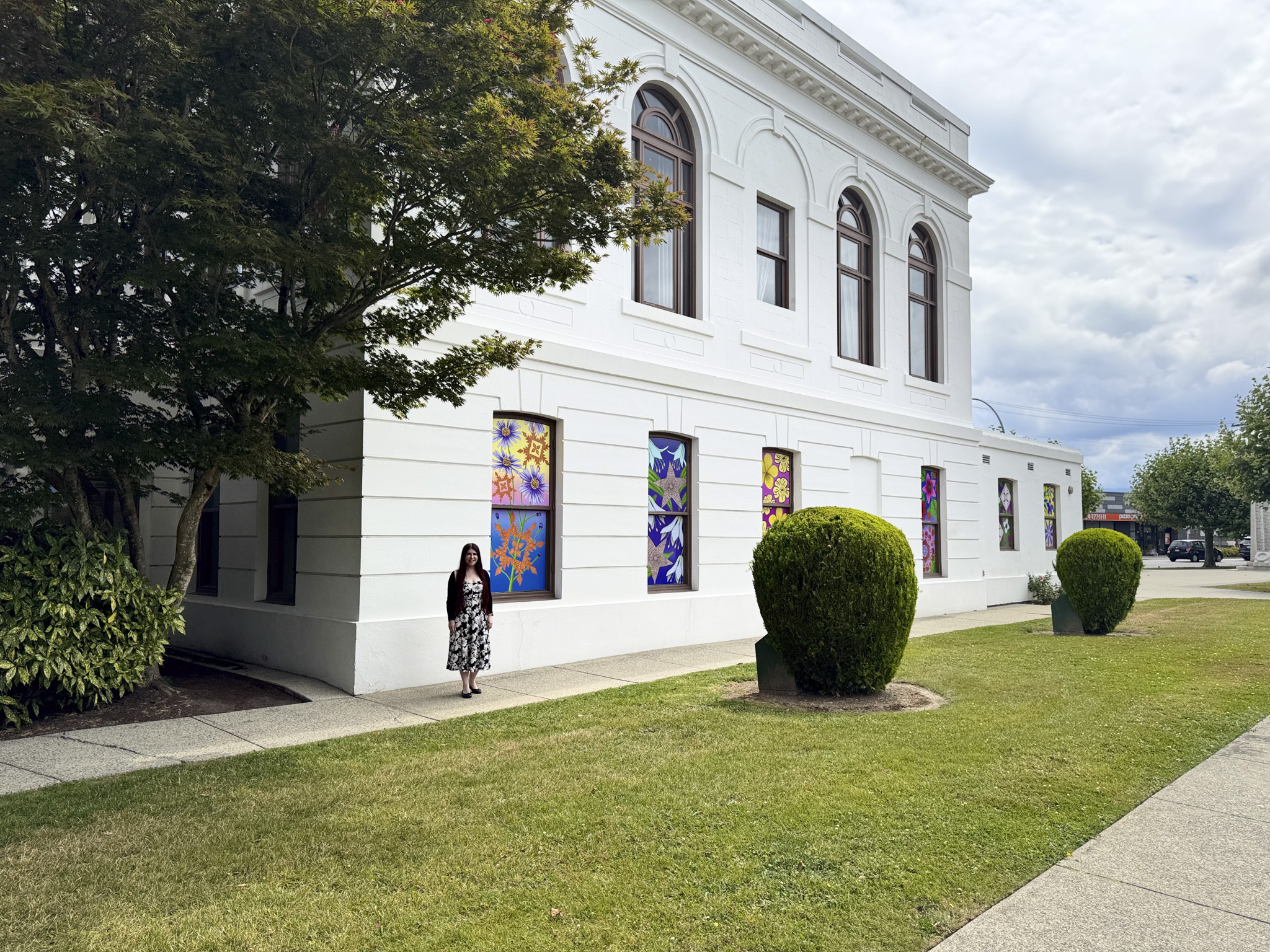
Interwoven draws inspiration from handmade floral patterning found on embroidered fabrics, handkerchiefs, tablecloths, clothing, and handsewn quilts from objects within the Chilliwack Museum & Archives collection. These patterns are merged with depictions of native wildflowers and plants found throughout Chilliwack to highlight the often-overlooked stories of women’s craft and needlework, while speaking to the ways these stories become intertwined with the living environment around us. 

Throughout history, women have devoted care and attention to creating and embellishing the objects that nurture everyday life such as quilts, clothing, pillowcases, table linens, and countless other handmade textiles. This work has often been overlooked or undervalued, yet these objects embody extraordinary thoughtfulness, creativity, and labour while providing comfort, safety, and a sense of home. 

In my own family, a crocheted blanket created by my great-grandmother has continued to provide comfort across generations. That experience, along with other handcrafted family objects, inspired me to connect with the needlework preserved within the Chilliwack Museum & Archives collection. 

Each window draws upon a floral motif found in a handcrafted textile from the Museum’s collection and combines it with a native wildflower found in Chilliwack. Through colour, form, and composition, parallels emerge between the stitched patterns and the plants, while allowing each to retain its own distinct identity. Like the handcrafted objects they accompany, these native plants are also nurturers, providing food, habitat, and support for local wildlife and pollinators. 

Each of the featured collection objects has found its own way to this place and become interwoven with the fabric of Chilliwack through its unique journey. Together, these designs celebrate living stories and reflect on the connections between people, place, memory, and the delicate care embedded within handmade objects—even when the names and histories of their makers have faded with time. 

— Cara Guri 

Interwoven Stories 

Each artwork in Interwoven pairs a native plant found in Chilliwack with a handcrafted object from the Chilliwack Museum & Archives collection. Inspired by embroidered textiles, quilts, clothing, table linens, and other examples of domestic needlework, Cara Guri’s work explores the relationships between women’s creative labour, the living landscape, and the stories that become rooted in place over time. 

The information below offers additional context about the native plants and the collection objects that informed each artwork. Together, they reveal histories of care, creativity, migration, resilience, and the everyday acts that shape community across generations. 

About the Window Residency 

The Window Residency transforms the Museum’s historic street-facing windows into a year-round public gallery, making contemporary art accessible every day, at every hour. 

Launched in 2026, the residency invites artists to create site-specific work inspired by Chilliwack’s histories, landscapes, collections, and communities. Working collaboratively with Museum & Archives Team and Chilliwack Arts Council, artists are encouraged to explore new ways of connecting historical collections with contemporary artistic practice while engaging audiences beyond the gallery walls. 

Installed directly within the Museum’s heritage windows, each residency becomes part of the streetscape; inviting curiosity, encouraging unexpected encounters with art, and fostering new conversations between history, creativity, and place. 

Annual Residency Cycle 

Each year, the Chilliwack Museum & Archives issues an open call inviting artists to propose new work for the Window Residency. 

The selected artist works collaboratively with Museum staff and collections to develop a site-specific installation for the Museum’s exterior windows. Throughout the residency, artists may also participate in artist talks, workshops, school programs, and other community engagement opportunities that deepen connections between the artwork and the wider community. 

Each installation remains on view for approximately one year, creating a free, accessible public exhibition that can be experienced day or night by anyone passing through downtown Chilliwack. 
Objects

More From The Archive

See the photographs and objects that shaped our understanding

Red Columbine, Aquilegia formosa

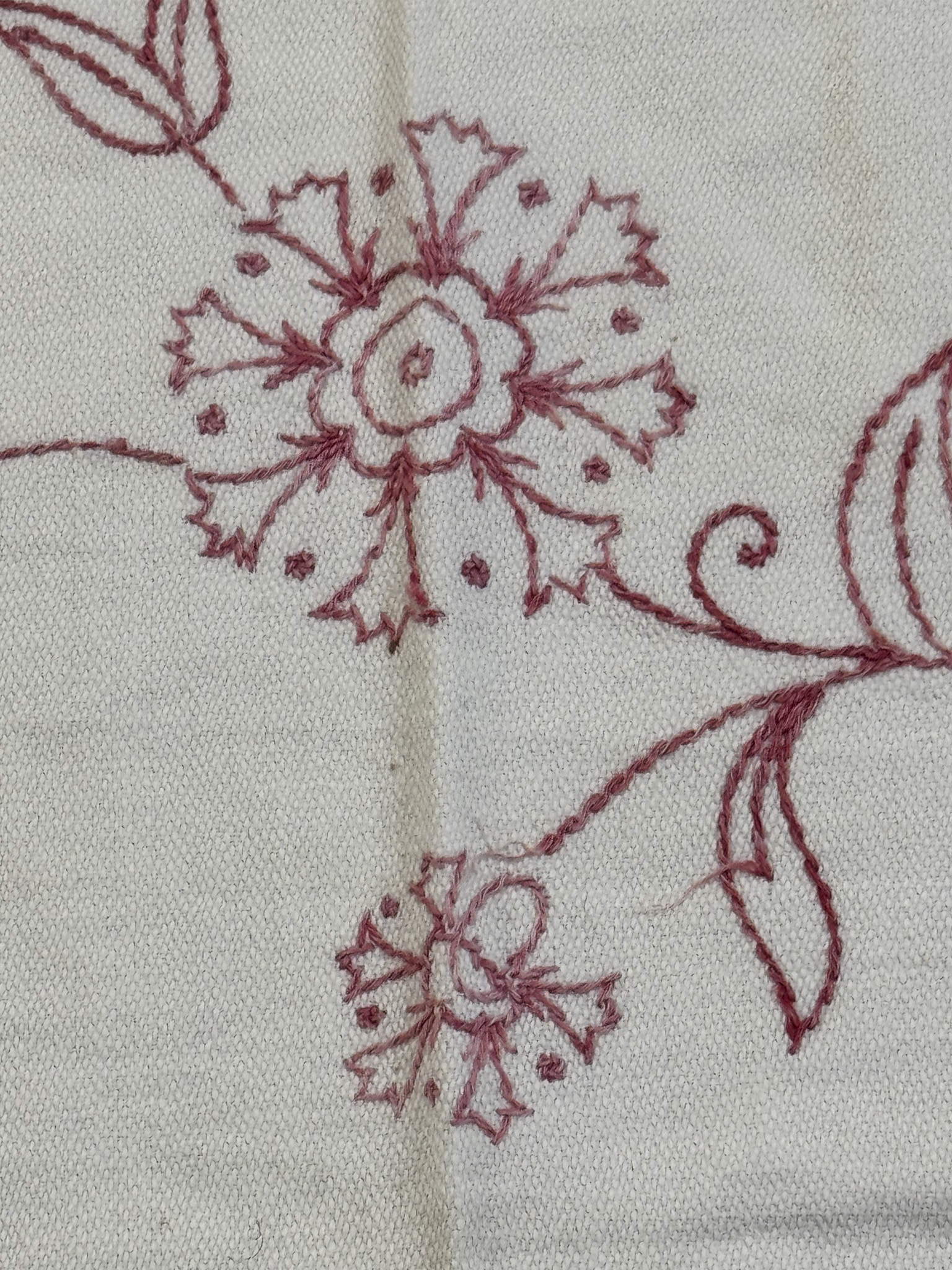
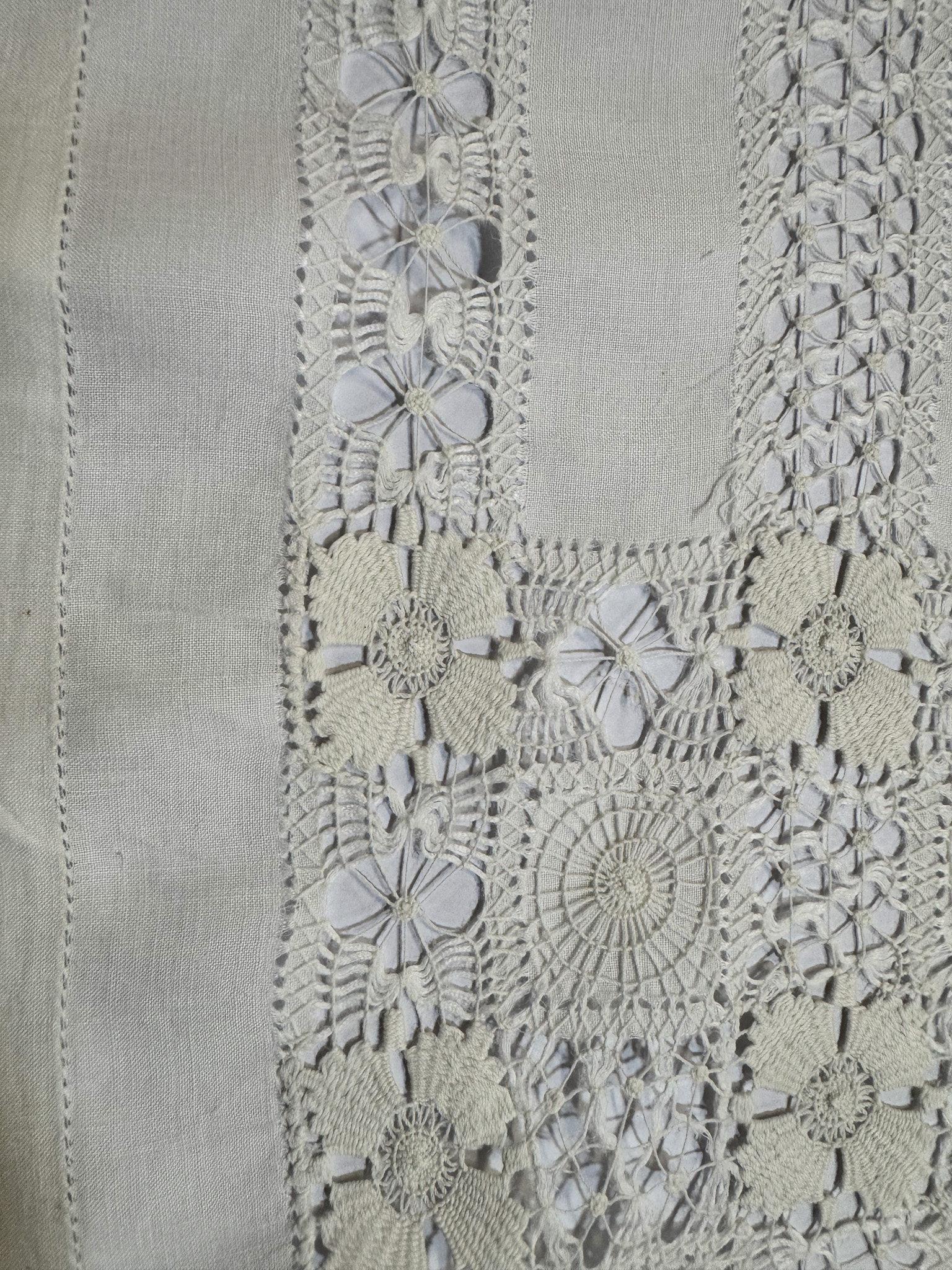
One of the earliest wildflowers to bloom each spring, Red Columbine thrives along rocky slopes, woodland edges, and open forests throughout the Fraser Valley. Its distinctive red and yellow blossoms provide an important early food source for hummingbirds and native pollinators. Cara’s artwork brings these forms together with a cross-stitched sampler and quilt fragments created by Norah Copeland Wilson, who arrived in Chilliwack with her family from Ontario in 1908. Her embroidery and quilting reflect both practical skill and creative expression, transforming everyday textiles through acts of making and care.

Kwi'txulhp | Pacific Dogwood, Cornus nuttallii

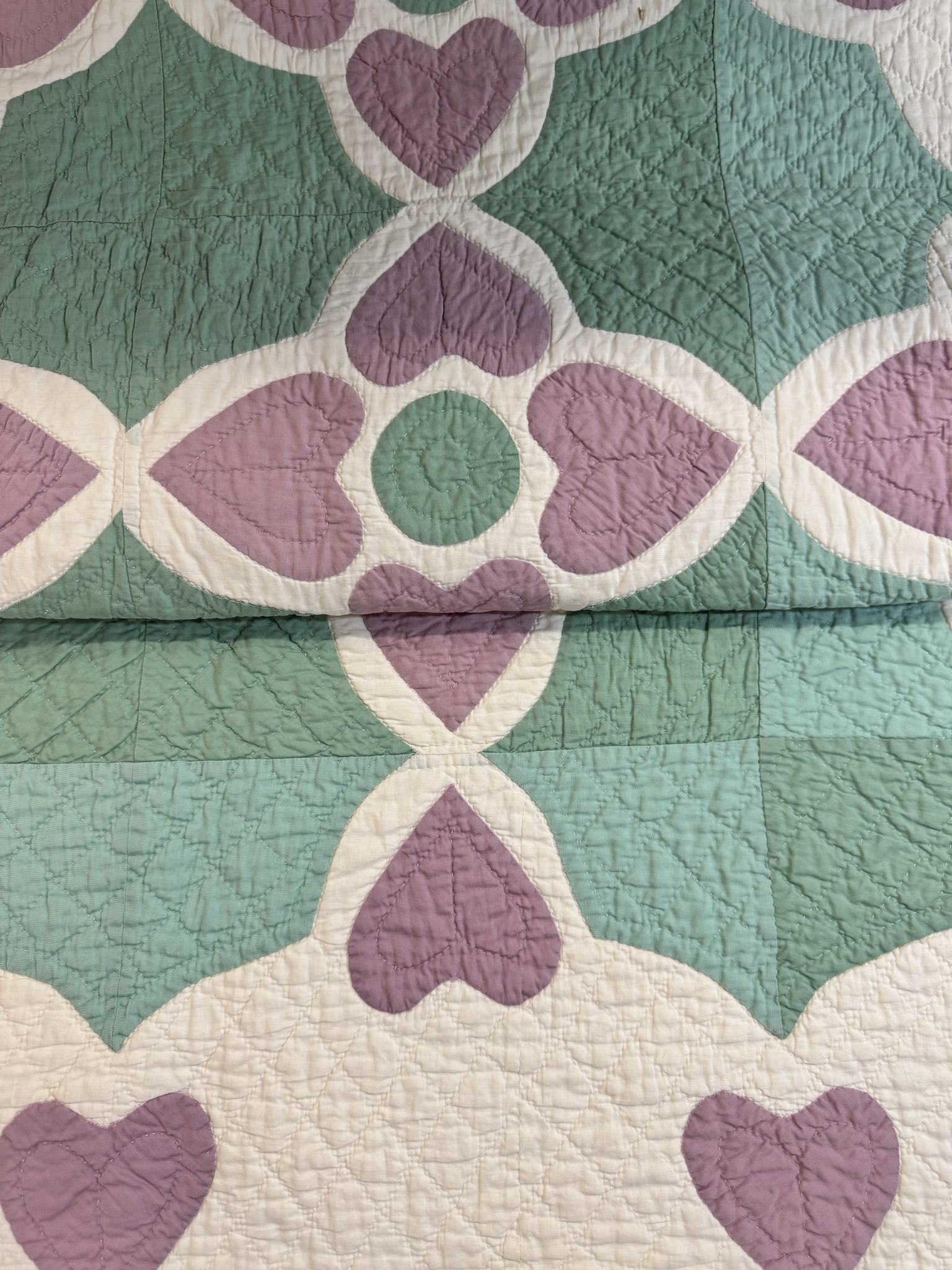
Known for its large white blossoms, Pacific Dogwood grows in well-drained forests and river valleys throughout the Fraser Valley. Stólō knowledge recognizes the remarkable strength of its wood, traditionally used for tools and implements, while its bark and inner sap have supported medicinal practices for generations. Cara pairs the plant with an embroidered quilt made by Edith Nellie Burchill Stoll in Illinois in 1932 and later mailed to her sister in Chilliwack. Its journey reflects how handmade cultural materials travelled between people and places, carrying memories, traditions, and relationships across great distances.

Qá:lq | Nootka Rose, Rosa nutkana

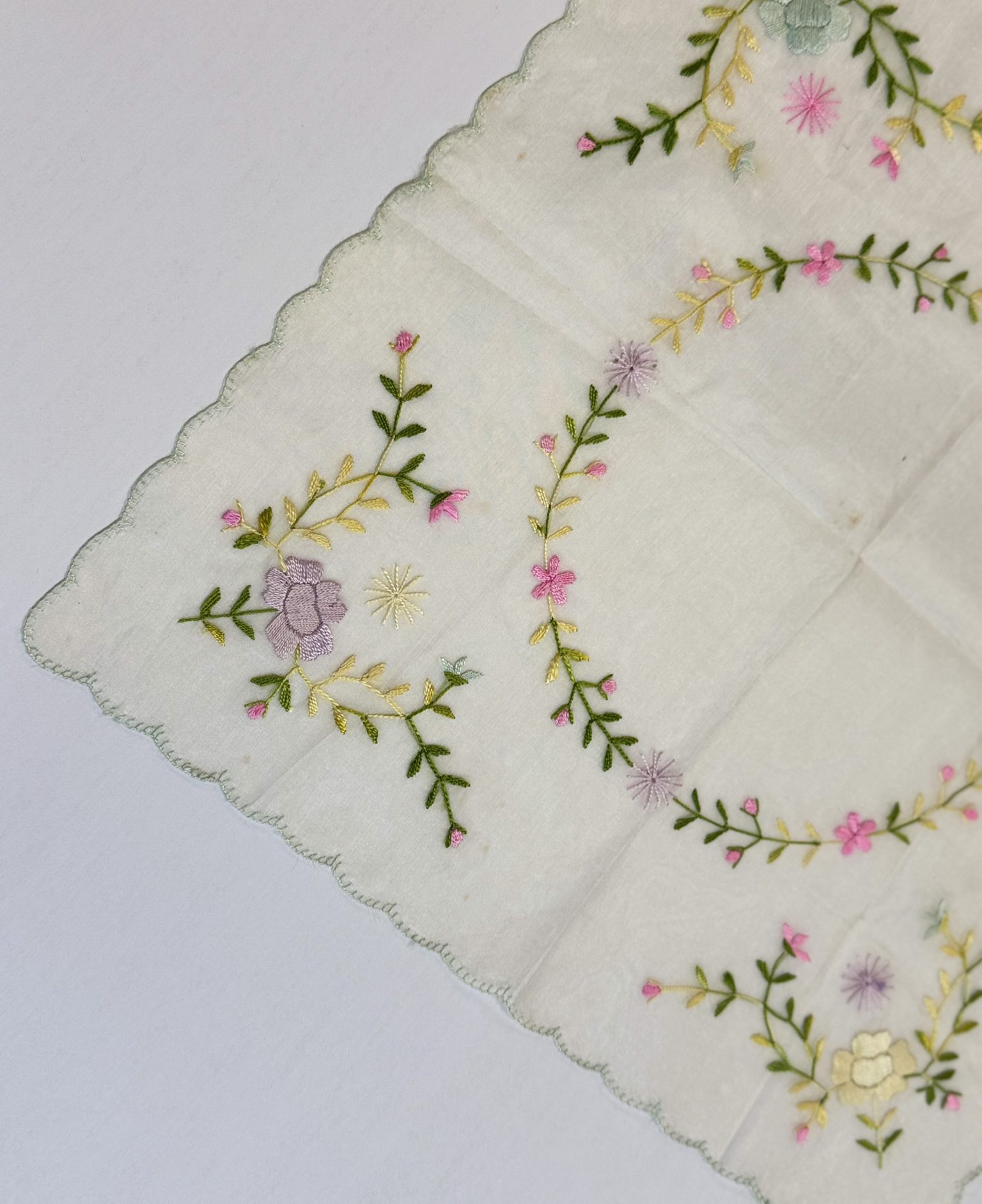
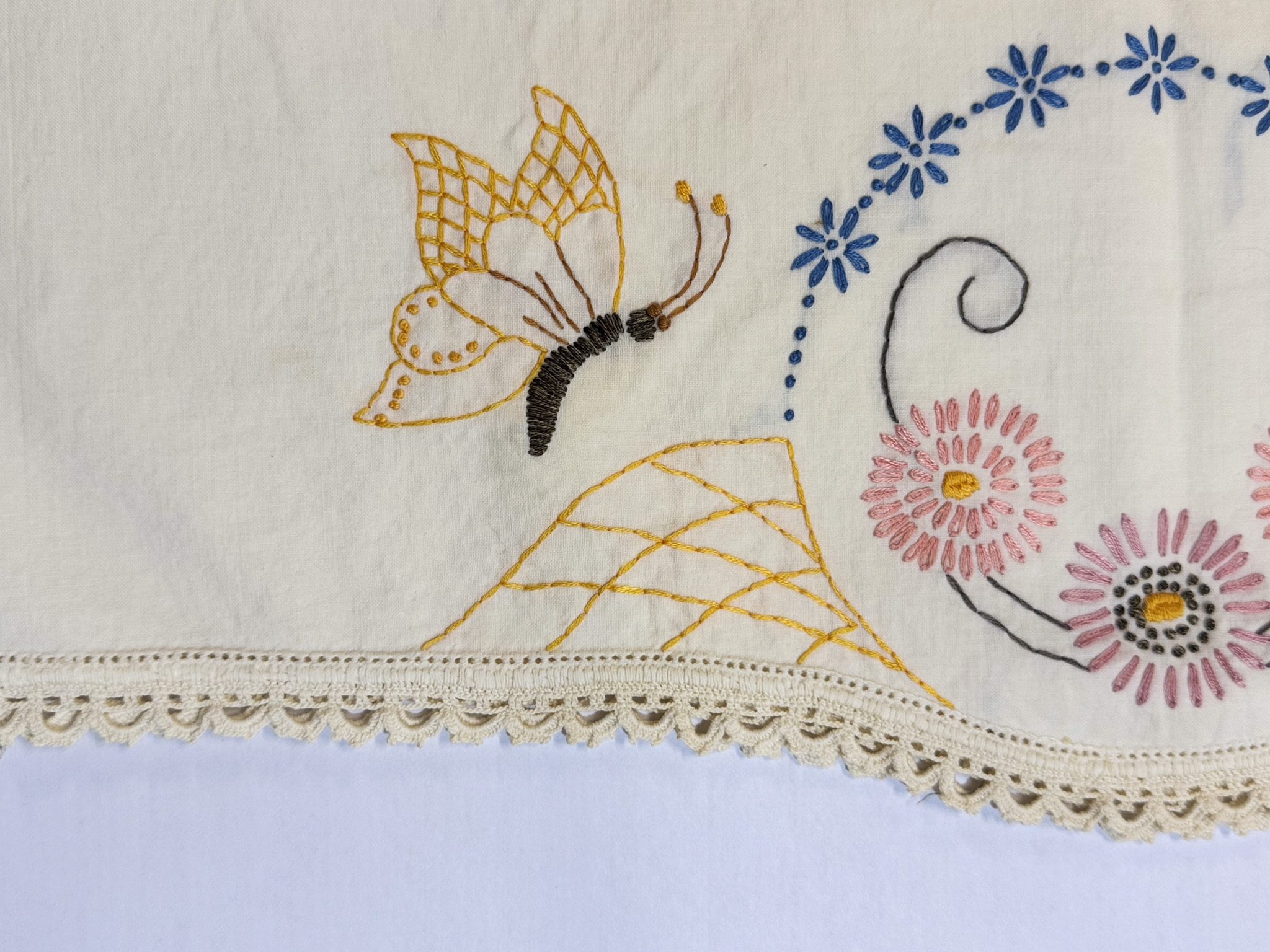
Nootka Rose is both beautiful and practical. It's rose hips are rich in vitamins and have long been gathered for food and tea, while its leaves and roots have supported traditional medicinal practices. In Cara’s artwork, the rose appears alongside a delicate silk handkerchief embroidered with flowers and butterflies, presented to Mildred Farrow in 1916 by Fong, the family’s Chinese domestic servant. The small but meaningful gift preserves a personal relationship that might otherwise have been lost to history, offering a glimpse of connection between two people through something made and given.

Xáts'et | Fireweed

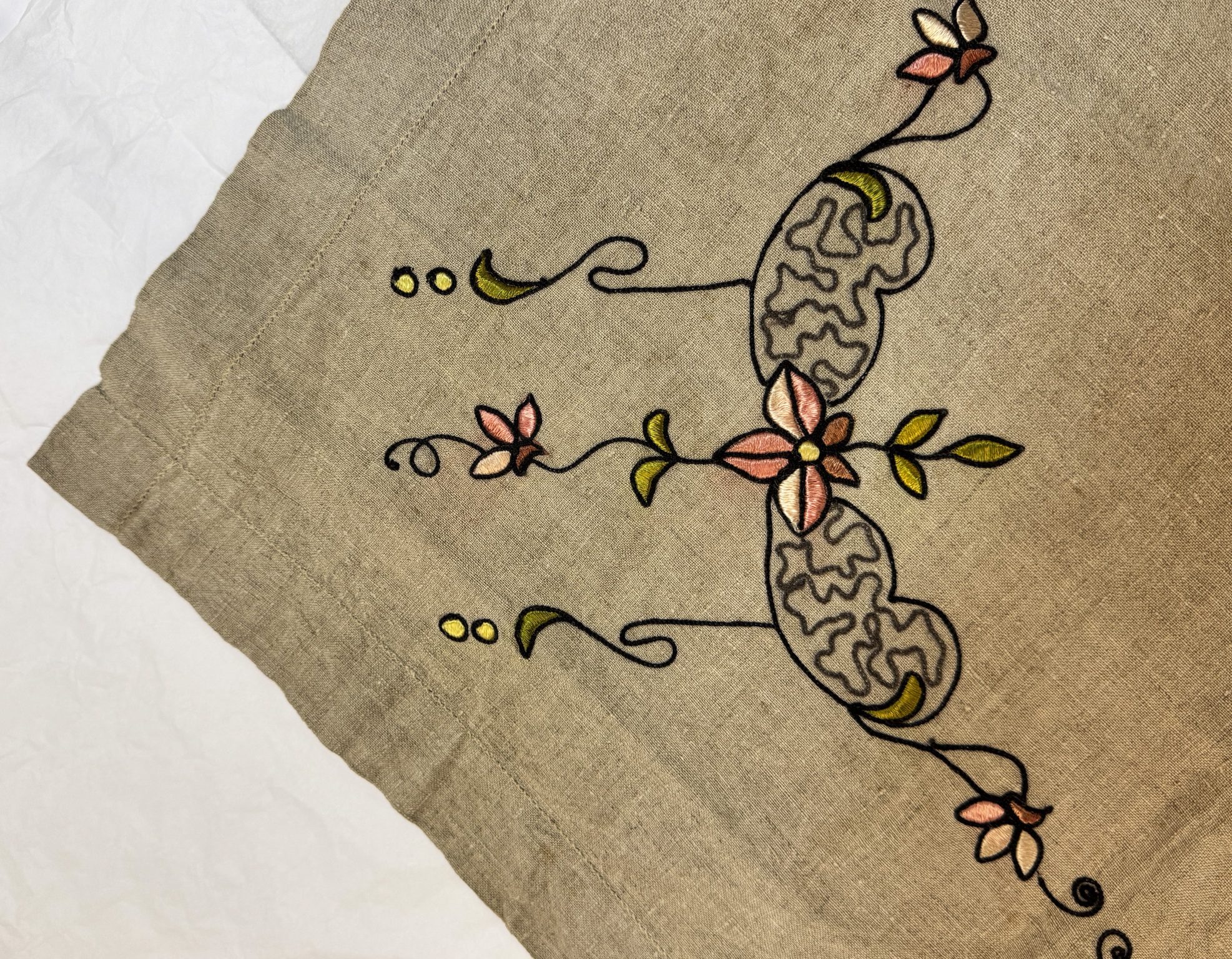
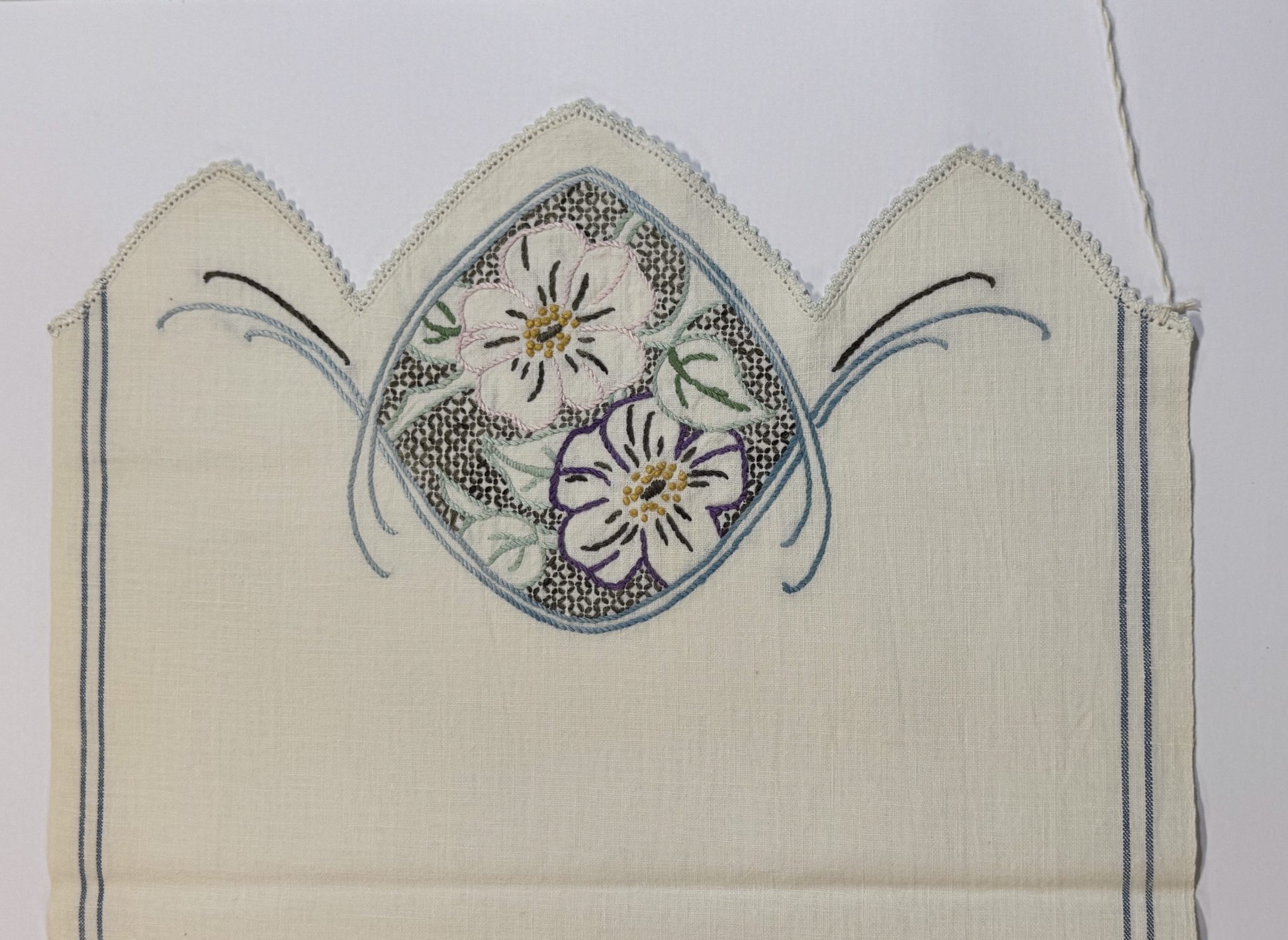
Fireweed is often among the first plants to return after wildfire or other disturbance, transforming damaged landscapes with vibrant colour. Beyond its beauty, the plant has long been used for bedding, weaving, food preservation, and other practical purposes. Cara brings its forms together with an embroidered table runner that once covered the sewing machine in Minnie Hayton’s home on Rose Island Road. The textile offers a glimpse of creativity within everyday life, where sewing and embroidery could serve both practical needs and personal expression.

Autumn Sneezeweed, Helenium autumnale

Blooming well into late summer, Autumn Sneezeweed brightens wetlands and meadows when many other wildflowers have faded, providing an important late-season food source for native pollinators. Cara pairs its golden flowers with an embroidered table cover that belonged to Pearl Bradwin (née Grieve), born in 1906 and raised in Chilliwack from a young age. Pearl spent much of her life as an educator, teaching in communities across British Columbia before returning to Chilliwack in 1940. The textile connects the quiet artistry of domestic embroidery with the life of a woman whose work extended well beyond the home.

Douglas Aster, Symphyotrichum subspicatum

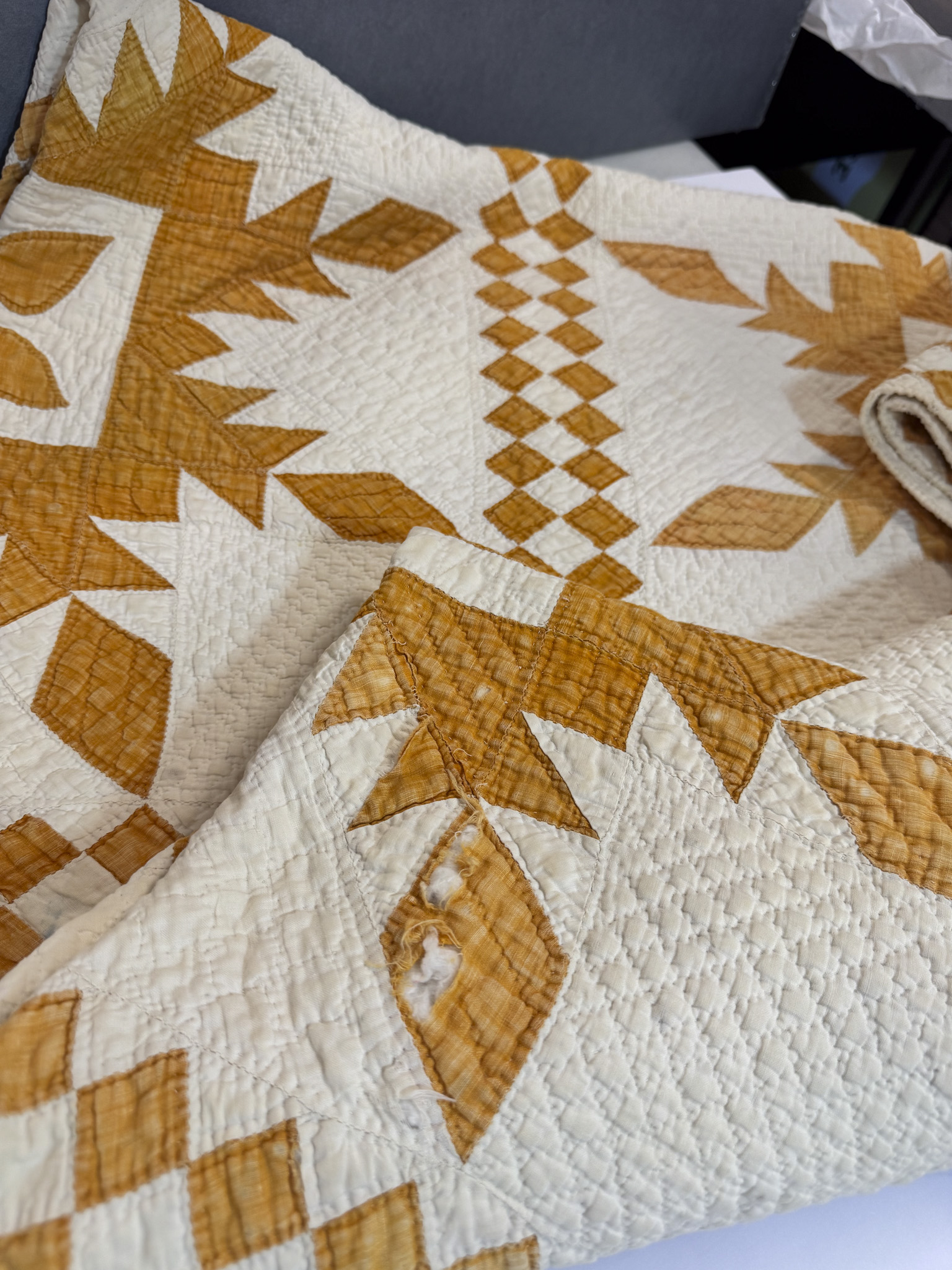
Douglas Aster flourishes in open meadows, riverbanks, and grasslands, producing vibrant purple flowers that provide essential late-season nectar for bees and butterflies. Cara brings the flower into relationship with a quilt hand sewn around the turn of the twentieth century by Jessie Louisa Lapum, a member of one of Chilliwack’s early farming families. Used over many years, the quilt became part of family life before eventually entering the Museum’s collection, carrying traces of both skilled making and the lives in which it was used.

Hooker's Fairybells

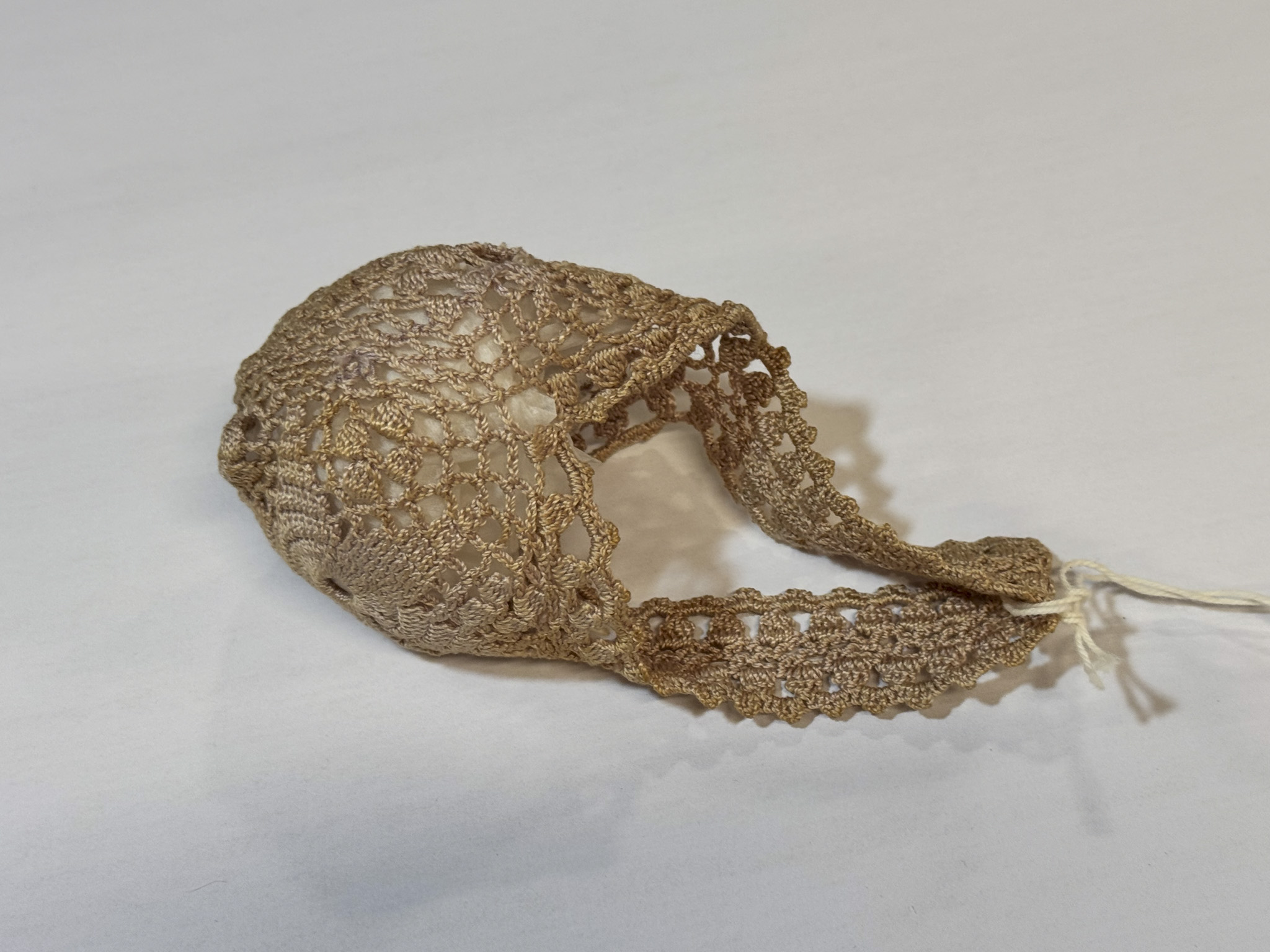
Hooker’s Fairybells grows quietly beneath the forest canopy, producing graceful white flowers that hang beneath broad green leaves. Easily overlooked, it rewards those who slow down and look closely. Cara pairs the plant with a knitted doll bonnet that belonged to Helen Pearl Wood, whose mother operated a hat, embroidery, and crochet shop in downtown Chilliwack during the early twentieth century. Though made for a child, the small bonnet reveals the skill, patience, and artistry present in everyday handmade belongings.

Yellow Wood Violet, Viola glabella

Yellow Wood Violet brightens damp forests each spring with yellow blossoms that appear before the tree canopy fully leafs out. Cara brings these spring flowers together with an embroidered table runner that belonged to Joy Hansen and remained in her family home on Prairie Central Road for decades. Created by members of the Rutherford family, the textile reflects traditions, skills, and creativity shared across generations through domestic needlework.

Elílá:lhp | Salmonberry, Rubus spectabilis

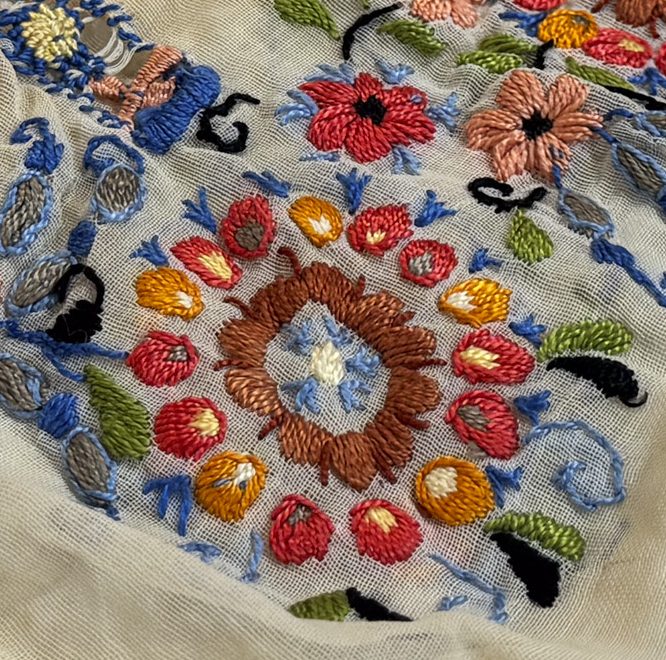
Among the earliest flowering shrubs of spring, Salmonberry provides an important source of food for wildlife and people alike, with bright blossoms followed by edible berries that have long been harvested throughout the region. Cara pairs the plant with a hand-embroidered Hungarian peasant blouse, reflecting traditions carried by newcomers as they made Chilliwack their home. Together, the plant and textile invite consideration of the different relationships to place, culture, and making held within the collections.

Kwii-kwi't-xulhp | Bunchberry

Growing close to the forest floor, Bunchberry resembles a miniature dogwood, producing delicate white flowers followed by clusters of bright red berries. It thrives in moist forests throughout the Fraser Valley. Cara brings its forms together with a hand-worked tablecloth created by Elizabeth Goodall, later passed to her daughter Joan before entering the Museum’s collection. Like many handmade household textiles, it carries artistic skill and family memory across generations through everyday acts of making.

Menzies' Larkspur, Delphinium menziesii

Menzies’ Larkspur produces striking violet-blue flowers in open meadows and rocky slopes throughout southwestern British Columbia, providing nectar for native pollinators. Cara pairs its floral forms with an embroidered pillowcase decorated with butterflies and flowers. The needlework transformed an ordinary household linen into something distinctly personal, reflecting the care, creativity, and attention makers brought to materials used in everyday life.

Previous slide
Next slide
Happening Now

Programs / Events

Join us for tours, workshops, talks, and hands-on learning experiences.

Guided Tours Oct 30th | 1:00 PM

Pride, Memory & the Historical Record

Look beyond the idea of the Archives as simply a place where the past is kept. Through the Chilliwack Pride Society fonds and recently collected materials, consider how the records we collect today shape the stories that can be told tomorrow.

Behind the histories
Create Together Oct 31st | 10:00 AM

A Little Halloween Mischief

Come curious and see what Halloween mischief is happening at the Museum. Make, play and look a little closer, there may be a trick or two, and almost certainly a few treats.

Take Part
Create Together Nov 7th | 1:00 PM

Saturday Studio 

Drop in, try something new and make some time to create at the Museum.

Take Part

Gallery ONE

7th Community Art Show

The Community Art Show began in 2020 as a way to stay connected during a time of isolation. What started as an invitation to create and share has grown into an annual tradition shaped by the people who take part. Now in its seventh year, more than 100 artworks fill the Museum. There is no single theme, medium or level of experience required. Anyone and everyone is invited to participate, creating an exhibition that changes each year alongside the community itself.

See more info